Death Stranding 2: On The Beach – A Masterclass in Polarizing Brilliance
When Weirdness Works: Kojima's Unfiltered Vision
Let's tackle the obvious question first—yes, you're going to witness moments that simply refuse to make sense. A puppet musing about the void from a steaming bath? Definitely. Norman's very shiny midsection? No comment. A pod-borne baby rigged like Bond tech? Of course. It's all part of the ride, and exactly the kind of surreal spectacle I was hoping to stumble into when I chose to buy cheap Xbox games. What might tumble into pure nonsense instead joins the bigger talk about life, loss, and tying people together, proving big-budget games can still swing for the fences creatively. The brilliance rests in matching these wild beats to the heart of the story, not tossing them out just to raise eyebrows.
After forty hours on the clock, I'm convinced Death Stranding 2 shows Hideo Kojima at his tightest; the oddness pulls the plot along instead of hiding weak spots.
Traversal 2.0: Where Every Step Matters
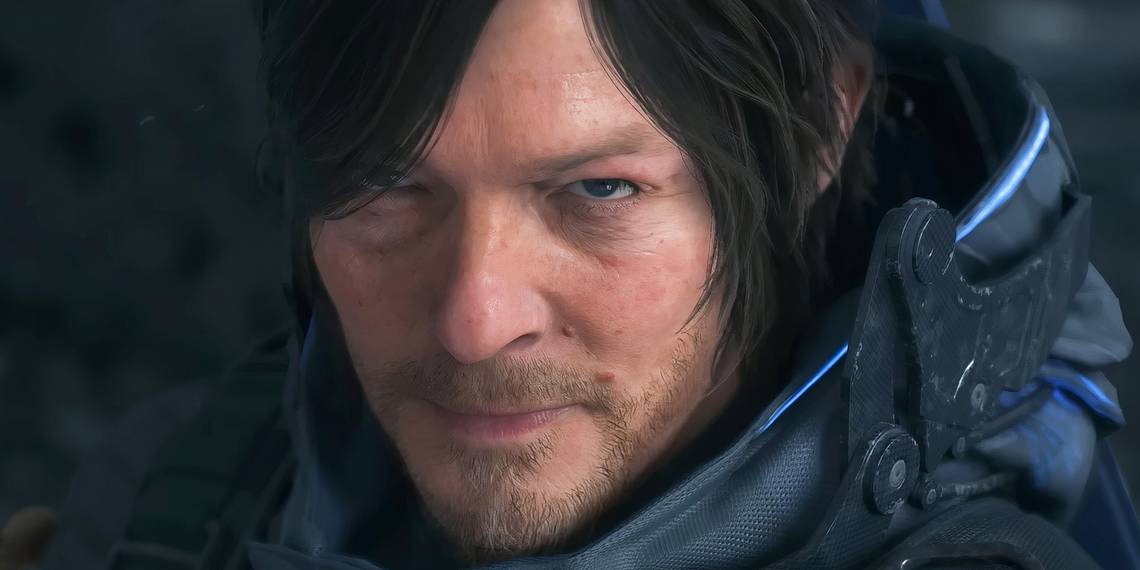
Walking in the first game felt groundbreaking yet sometimes frustrating. On the Beach takes that idea, polishes it, and adds fresh options that always put movement front and center. Exoskeleton upgrades mark real progress—early trips through knee-deep chiral snow turn into satisfying mid-game power leaps over yawning ravines. It's the kind of gameplay evolution I was hoping to find when I decided to buy cheap PS5 games and try something with real ambition. Pop-in modular bridge parts spark small victories; you can spend twenty minutes rigging an elaborate zip-line only to watch another player's piece show up just when it counts. Best of all, the ground itself remembers timefall erosion slowly reshapes a familiar path, so each return feels like visiting an old friend rather than replaying a checkpoint.
Combat Evolved: From Afterthought to Highlight
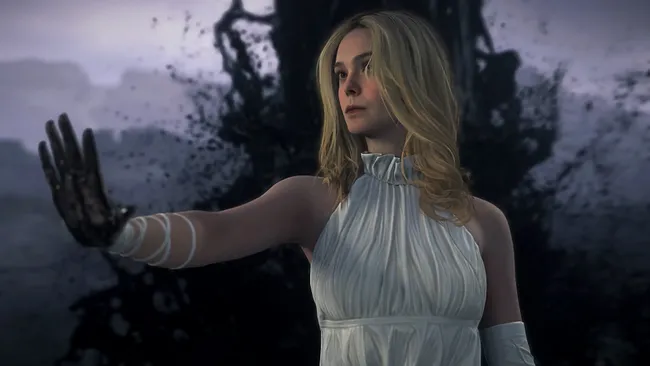
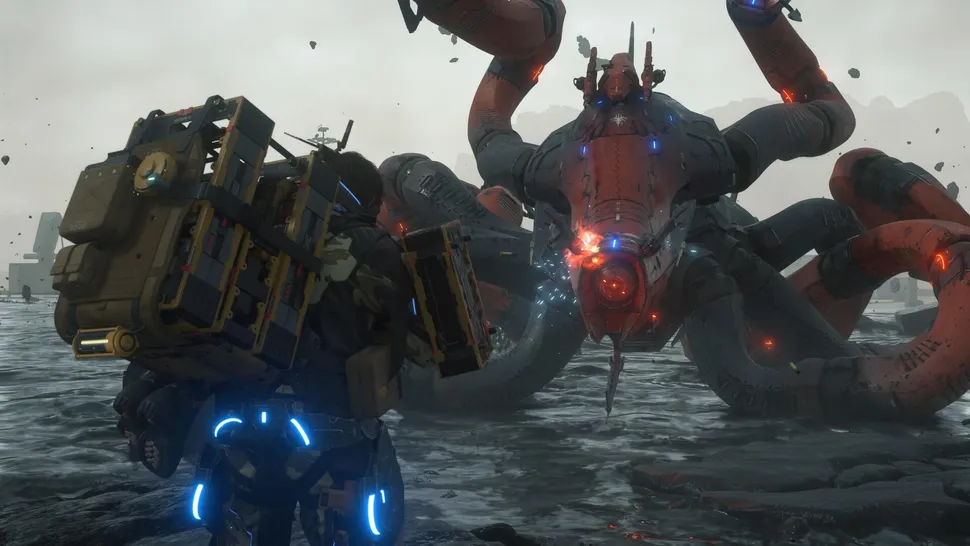
Say what you will about Death Stranding, its fights were the one area many fans thought needed work. On The Beach flips that idea around and makes battling feel exciting rather than distracting. The strand whip feels more like a companion than a gimmick; you can swing over chasms, disarm a guard, or – my favorite move – snatch cargo straight out of a MULE's grip. Enemy brains have also been upgraded; human squads circle around you, while new BT forms slide and lunge in ways that will make you gasp. What really sticks with you, though, is how the fight and the climb shake hands; getting swarmed on a narrow ridge turns every choice into a heartbeat moment. Of course, series diehards who still prefer to slip past danger can plan their route and do exactly that, so the trademark freedom to pick a fight or avoid one stays in place.
That Kojima Tale: Equal Parts Deep and a Bit Show-offy
Let's be honest, the story will try the patience of even the most forgiving player. The opening three hours pile on so many names and lofty ideas that it feels like a Westworld binge on fast-forward. When the writing connects, witness the gut-wrenching side arc about a marriage cracking under societal ruin-it ranks among the most affecting moments ever found in a game. Yet when it misses, such as the twenty-eight-minute lecture on chiral-umbilical capitalism, even longtime fans may instinctively reach for the skip button. Halting aside, the sheer dedication to this odd vision holds it together; every wild choice ties back to the game's larger meditation on human bonds. Just know upfront that it favors questions over tidy conclusions.
You Probably Missed the Next Big Thing in Multiplayer
Death Stranding teased asynchronous multiplayer, yet On The Beach takes that idea and flips it on its head. It's Strand Contracts let you partner with named players, so the bridges and zip lines you build pop up more often in their game, and theirs in yours. Finding a ladder left by a stranger who clearly fought through the same mud hours earlier feels almost magical. The bold new shootouts-Dream Invasions-are light, ghostly bouts that can nudge your journey offline, yet they add the kind of pulse-pounding tension normally tied to shooters. Altogether, it shows how multiplayer can be deeper than ranking boards or kill counts.
Is It For Everyone? A Realistic Assessment
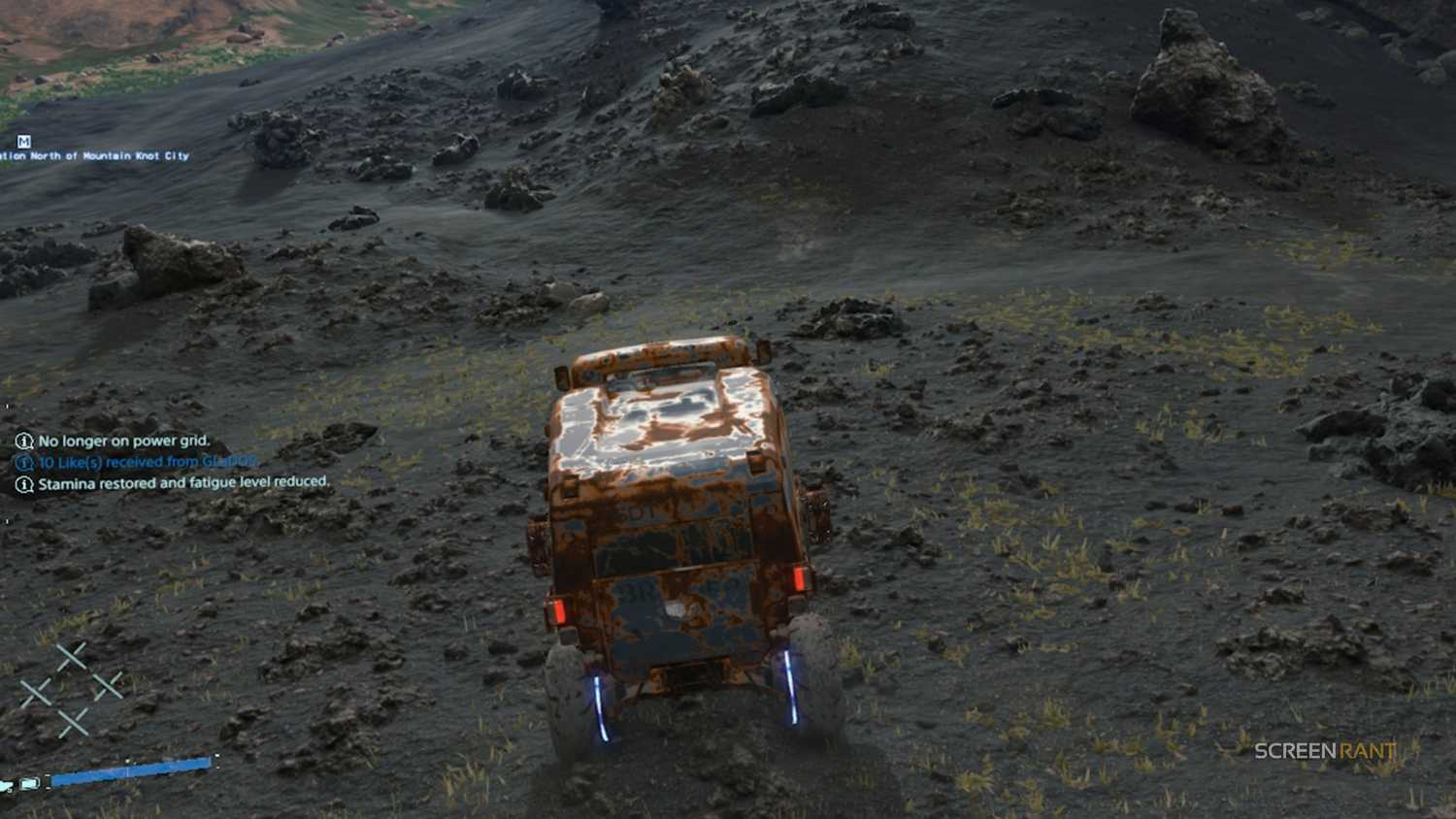
Let's be honest with ourselves: this is not the game for anyone who leans heavily on adrenaline highs or hunts down clear markers on the map. Instead, the rhythm is slow, often measured, so you might spend several minutes simply steering your cargo up a steep, rain-drenched slope while time-fall hits the screen. If you don't mind that pace, though, the little victories stack up in ways few other titles can match-connecting a far-off prepper to the chiral network after hours of hiking, or reaching the crest of a ridge and seeing an entire new valley unfurl before you. Onboarding has also received a polish, showing players clear goals up front and easing them in with a softer challenge curve than in the first game.
The Verdict: Gaming's Most Beautiful Oddity
Death Stranding 2: On The Beach is likely one of the best games of its generation simply because it refuses to follow the usual playbook. Crossing a quiet stream weighs almost as much as a big explosion, spotting a stranger's ladder sparks a real smile, and the gap between deep meaning and outright silliness is almost comic. Some people will love those quirks, others will roll their eyes, but either way, nothing else feels this way-a bold reminder that a budget blockbuster can still swing for something strange. Just be ready to explain to your friends why running a cargo load for a talking baby actually feels like the coolest job in the world.