Elite Designer Handbag Brands That Define Luxury
Discover the top-tier designer bag labels shaping global fashion, and learn how they compare to modern contemporary premium brands.
If you are searching for a top-tier travel handbag labels list, you are likely looking for more than trending names. You want authority. Heritage. Craftsmanship. Cultural influence. These are the brands that define luxury standards and shape global fashion conversations year after year.
In this comprehensive guide, we explore the most recognized top-tier designer bag labels, what makes them elite, and how they compare to contemporary premium brands like Melaniva. Understanding the hierarchy of designer bag labels helps you make informed decisions—whether you prioritize legacy status, resale value, or practical sophistication.
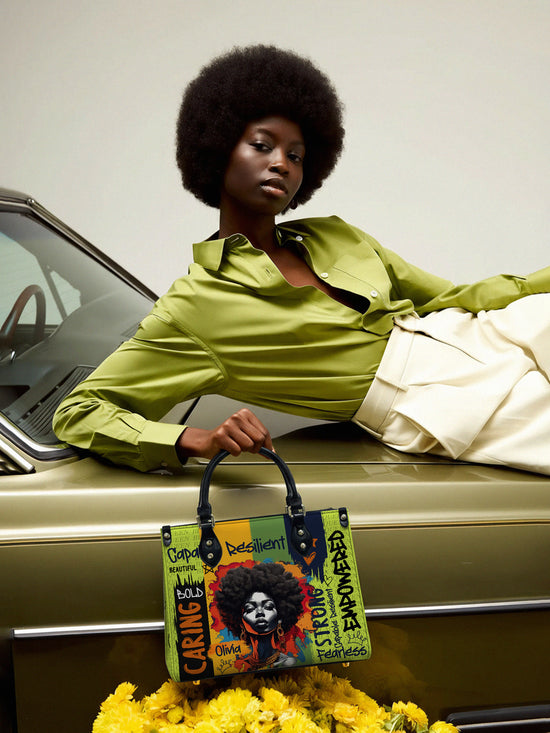
What Defines a Top-Tier Designer Bag Label?
Before presenting a top-tier designer bag labels list, it is important to clarify what “top-tier” truly means.
A label reaches top-tier status when it demonstrates:
Historical longevity and heritage
Exceptional craftsmanship standards
Iconic designs recognized globally
Strong resale value
Consistent brand authority across decades
Top-tier labels are not just popular. They influence fashion at the highest level.
The Leading Names in the Top-Tier Designer Bag Labels List
Hermès
Hermès is often considered the pinnacle of handbag luxury. Its commitment to hand-stitching, premium leather sourcing, and limited production has created extraordinary exclusivity. Certain Hermès bags maintain or even increase in value over time.
The brand represents craftsmanship purity and controlled scarcity. In any top-tier designer bag labels list, Hermès typically holds the highest prestige.
Chanel
Chanel’s quilted leather designs and interlocking logo are globally recognized. The brand blends heritage with modern reinvention, maintaining consistent demand.
Chanel handbags are frequently viewed as investment pieces due to steady price appreciation and resale strength.
Louis Vuitton
Louis Vuitton built its legacy on travel craftsmanship before expanding into handbags. Its monogram canvas is one of the most identifiable patterns in fashion history.
The brand combines mass global presence with luxury positioning, making it one of the most commercially successful top-tier labels.
Dior
Dior emphasizes refined elegance and architectural structure. Its handbags often reflect couture-level detailing translated into everyday luxury.
Dior balances heritage prestige with contemporary innovation, securing its place on any authoritative list.
Prada
Prada’s minimalist sophistication and focus on material experimentation have shaped modern luxury aesthetics. Known for clean lines and structured silhouettes, Prada continues influencing high-end fashion globally.
Gucci
Gucci’s bold branding and reinvention cycles keep it culturally relevant. The brand successfully bridges heritage and trend-driven energy while maintaining premium positioning.

Why These Brands Dominate the Luxury Hierarchy
Each label in this top-tier designer bag labels list maintains several shared characteristics.
First, they invest heavily in craftsmanship. Production often involves skilled artisans with years of training.
Second, they cultivate scarcity. Limited production runs protect exclusivity and elevate resale value.
Third, they control brand narrative. Through runway shows, celebrity partnerships, and strategic pricing increases, these houses reinforce perceived value.
Luxury is as much psychological as it is material.
Resale Value and Investment Appeal
One major reason shoppers seek a top-tier designer bag labels list is investment potential.
Certain handbags from Hermès and Chanel have historically appreciated in value. Limited editions and discontinued styles often command high secondary market demand.
However, not every luxury bag guarantees appreciation. Market dynamics shift. Condition, rarity, and model popularity matter significantly.
Investment value should complement, not replace, aesthetic preference and functionality.
The Contemporary Premium Segment: A Modern Alternative
While heritage houses dominate the top-tier designer bag labels list, contemporary premium brands are reshaping consumer expectations.
Modern buyers increasingly evaluate:
Cost-per-wear
Practicality
Ethical sourcing
Minimal branding
Versatile design
Contemporary brands such as Melaniva focus on structured silhouettes, durable materials, and timeless aesthetics without heritage markups.
This shift reflects changing consumer priorities. Status signaling is no longer the sole purchasing driver.
Craftsmanship Comparison: Heritage vs Contemporary
Heritage labels emphasize artisanal storytelling. Hand-stitching, historic workshops, and leather expertise reinforce prestige.
Contemporary premium brands emphasize modern engineering and efficient production while maintaining high quality standards.
Both can deliver durability. The distinction lies in legacy and exclusivity rather than basic functionality.
A contemporary brand may offer comparable structural integrity at a more accessible price point.
Branding Philosophy: Loud vs Subtle Luxury
Many top-tier labels built identity through visible logos and recognizable patterns.
However, recent trends show a shift toward quiet luxury. Subtle branding and neutral tones increasingly appeal to professionals and minimalist shoppers.
Contemporary brands often begin with understated design principles. This aligns well with evolving consumer preferences for sophistication over flash.
Luxury is gradually redefining itself.
Accessibility and Distribution
Top-tier designer labels often operate flagship boutiques in major fashion capitals. Distribution is tightly controlled.
Contemporary brands rely more heavily on digital platforms and direct-to-consumer models. This reduces overhead and increases pricing flexibility.
The difference impacts pricing structure significantly.
Luxury heritage brands must maintain exclusivity through selective availability. Contemporary brands emphasize convenience.
Material Standards Across Tiers
Luxury houses frequently use full-grain leather and proprietary hardware.
Contemporary premium brands increasingly adopt similar material standards, though exotic skins are less common.
Material transparency is becoming a key factor for modern consumers. Brands that openly disclose sourcing practices build stronger trust.
Quality assessment should focus on leather grade, stitching density, and hardware durability rather than brand name alone.
Who Should Buy From a Top-Tier Designer Bag Labels List?
Buyers who prioritize:
Heritage prestige
Brand recognition
Resale potential
Cultural status
may gravitate toward established luxury houses.
Professionals and modern consumers who prioritize:
Functional structure
Minimalist aesthetics
Accessible pricing
Long-term durability
may find contemporary premium brands more aligned with their lifestyle.
The decision depends on personal goals rather than external perception.
Longevity and Timeless Appeal
The strongest brands on any top-tier designer bag labels list have demonstrated multi-decade relevance.
However, timeless design is not exclusive to heritage houses. Contemporary brands that emphasize clean silhouettes and neutral palettes can achieve similar longevity.
A well-structured bag in classic black or brown can remain stylish for years regardless of label.
Timelessness often outweighs trend cycles.

Final Thoughts on the Top-Tier Designer Bag Labels List
A top-tier designer bag labels list highlights brands that shaped global luxury standards. Hermès, Chanel, Louis Vuitton, Dior, Prada, and Gucci continue defining high-end fashion through craftsmanship and brand authority.
However, modern consumers are more analytical than ever. They evaluate durability, functionality, and cost-per-wear alongside prestige.
Luxury today is evolving. It is no longer only about legacy. It is about alignment with lifestyle.
If you seek refined, structured handbags that balance elegance and practicality, explore Melaniva’s contemporary collection here: https://melaniva.com/collections/handbag
In 2026, informed choice is the new status symbol.
Read more: Ethical Elegance: The Rise of Sustainable and Vegan Leather Handbag Brands