CCNA Training in Chennai: What You Learn and What It Costs
Anyone planning a career in networking eventually lands on the same question: is CCNA training in Chennai worth the time and money? At Network Rhinos we see learners from very different starting points, including fresh graduates, support engineers and professionals switching from other IT roles. This guide explains what a proper CCNA training in Chennai programme should teach, how the learning is organised, and what you should expect to pay, so you can plan with realistic numbers rather than marketing claims.
What CCNA actually certifies
CCNA is Cisco's associate-level networking certification, and the current exam code is 200-301. It is a single exam that covers the practical foundations of enterprise networking: how devices communicate, how traffic is routed and switched, how a network is secured at a basic level, and how it is automated and troubleshot. Because it is vendor-recognised and broad, it is a common first credential for network engineers, administrators and technical support staff.
The certification is not a job guarantee, but it is a clear signal to an employer that you understand the fundamentals and can work at a command line. Learners with no prior experience can start, since a well-designed course begins at the beginning and builds up. Basic computer familiarity is enough to join.
What you learn in CCNA training, module by module
A complete programme follows the exam blueprint and turns each topic into lab work. In the Network Rhinos course, the sequence looks like this.
You start with networking fundamentals: the OSI and TCP/IP models, Ethernet, cabling and the roles of routers, switches and access points. Next comes IP addressing and subnetting, including IPv4, VLSM and IPv6, which is the part most beginners find hardest and which only improves with repeated practice sets. Routing follows, covering static and default routes, the ideas behind OSPF, EIGRP and RIP, and how administrative distance decides which route wins.
Then comes switching: VLANs, trunking, inter-VLAN routing, spanning tree, EtherChannel and port security. After that, security and IP services such as access lists, NAT, VPN basics, DHCP, DNS, NTP, Syslog and QoS. The final block covers automation and troubleshooting, with an introduction to SDN, REST APIs, Python for networking, packet capture and the Cisco IOS command line.
A useful way to judge any syllabus is to ask whether each topic ends in something you configure. Reading about VLANs teaches vocabulary, while building three VLANs, trunking them between two switches and fixing a deliberate fault teaches the skill. For a firsthand account of how those labs feel, this CCNA lab log records the kind of exercises a learner works through.
How the course is organised
The programme runs for two months with daily sessions of about an hour and a half. Each session is split into roughly forty minutes of theory, a short break and forty minutes of lab, which keeps the balance toward practice. Classroom batches in Chennai are available alongside live online sessions, and there are weekday, evening and weekend options for people who work. Class recordings and study material are part of the package.
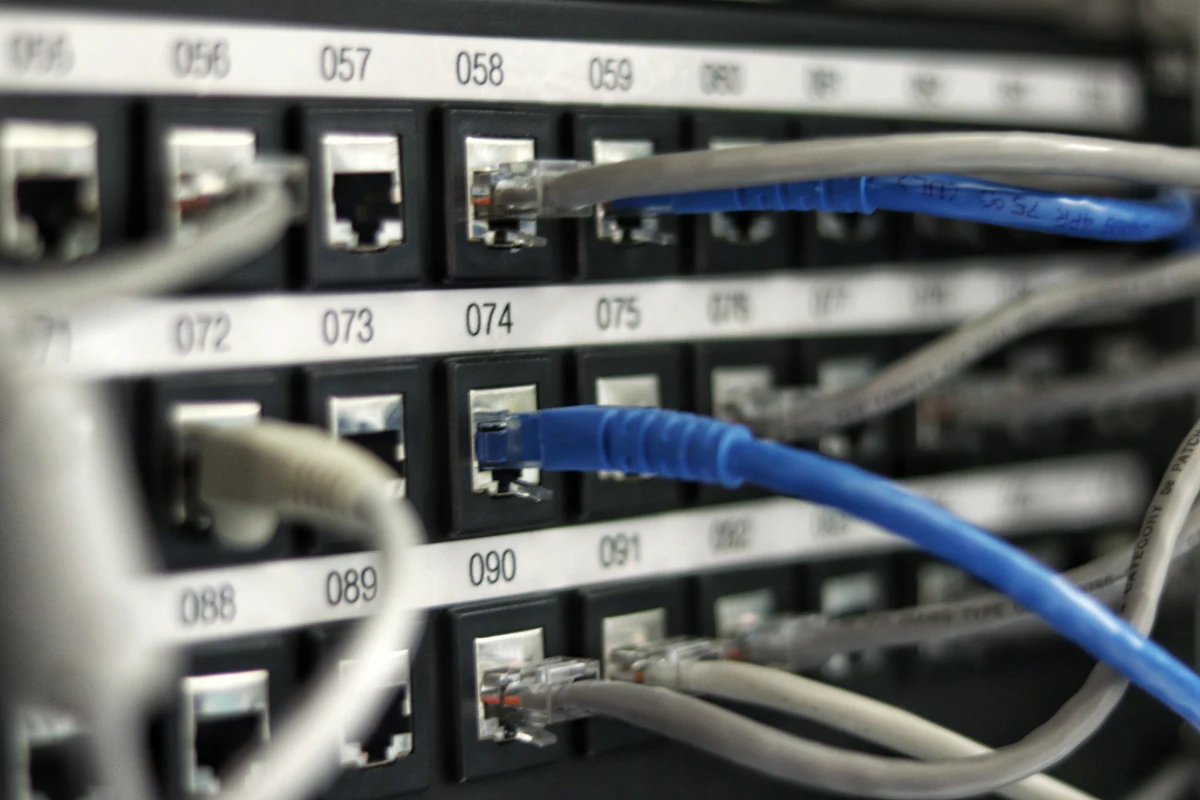
Real equipment matters. Simulators are excellent for practice, but handling physical routers and switches teaches things a simulator hides, such as cabling mistakes, console connections and the behaviour of real hardware. The Network Rhinos course page describes labs on real Cisco devices and a set of live network topologies mapped to the exam, which is the kind of detail you should look for at any institute.
Placement-style support is part of the course as well, including resume and LinkedIn review and mock interviews. Treat this as preparation rather than a promise. It improves how you present yourself, but your own practice decides how interviews go. If you want to compare how different institutes structure this, the checklist in CCNA course in Chennai: how to pick training that gets you job-ready is a helpful second opinion.
What it costs
Cost has two parts, and mixing them up causes most budget surprises. The first is the training fee. At the time of writing, our course page lists ₹12,000 for the full two-month programme, reduced from ₹15,000, with a ₹1,000 registration amount that counts toward it. The second is the Cisco exam fee, which is paid separately to the testing provider and is not part of any institute's tuition. Exam pricing is set in US dollars and changes, so always check the current figure before you plan.
For a line-by-line breakdown, our guide to CCNA course fees in Chennai explains what the training fee covers, what the exam costs and how different types of institutes price their programmes. When you compare quotes, ask the same four questions everywhere: does the fee include real-device lab access, are class recordings included, is there support for resume and interview preparation, and does the price cover the exam or not.
Fees are only half of the picture. Time is the other half. Plan on about ninety minutes a day in class plus at least as much again in practice, especially for subnetting. Learners who treat the lab as optional tend to fall behind in the routing weeks.
Where CCNA leads next
CCNA opens a clear path. Many learners start in network support or as junior network administrators, then deepen their skills with enterprise routing, switching and automation. At that point a CCNP course is the natural next step, covering advanced routing, virtualisation, security and SD-WAN. Others combine networking with security or cloud skills, since both fields assume you understand how traffic moves.
If you are still deciding between institutes, our own notes on what to ask before paying are collected in CCNA institute in Chennai: questions to ask before you pay, and they apply to any provider you shortlist.
The best preparation, before any course begins, is simple. Learn to convert a few numbers between decimal and binary, read a small network diagram, and get comfortable typing commands without fear of breaking something. Those habits make the first weeks smoother, and they are free. Once classes begin, a steady routine beats occasional marathon sessions: a little subnetting every day, one lab rebuilt from memory each weekend and a running notebook of commands that worked will keep the material fresh and make revision before the exam far less stressful.
To check batch dates, request the syllabus or book a free demo class, please open the Contact Us page and the Network Rhinos team will help you pick a batch.