Hell Is Us Review: Rediscovering the Joy of Playing Without a Map
A Game That Refuses to Hold Your Hand
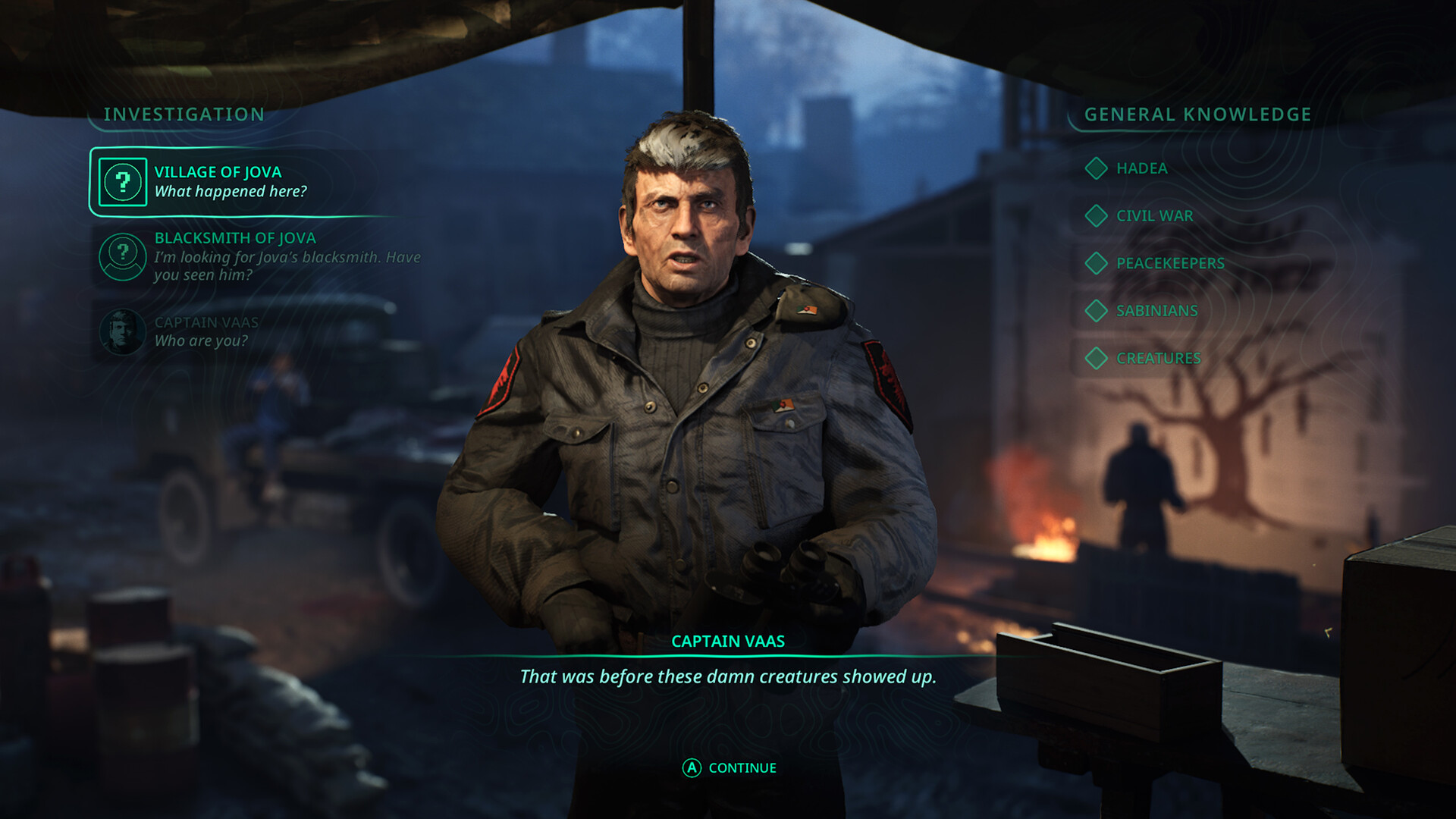
Jumping into Hell Is Us feels like hopping onto a time machine that only goes back to the darling days of RPG discovery. Gone are the flashy convenience features we’d think of as mandatory now. You won’t find a minimap lighting the route like an airport runway. No witchcraft-style arrows guide you to the next dress-rehearsed cutscene. Your only partner here is your own sense of wonder—sorry, I mean your brain. All that stands between you and the next piece of the story is your knack for remembering bits of overheard conversations, flicking through read papers, and the mood of the walls around you—an immersion so absorbing it makes you pause only to buy cheap games before diving back in.
To keep you grounded, the game hands you Remi’s journal. Picture an old-school notebook that glows like a nerdy Pip-Boy on caffeine. You scrawl—well, digitally scrawl—hearsay, diagrams, and half-started sketches. But don’t mistake it for a CliffsNotes manual. The journal clips the tidy endings and hands you incomplete puzzle pieces, daring you to connect the dots. Younger players might think they’ve been tossed into the desert without a canteen. Those of us who sketched out river names and dungeon layouts on Morrowind graph paper still feel the thrill of picking the locks ourselves.
The reward will hit you right in the chest. The moment you connect the ruins, an old villager mentioned that with that aqueduct you found a few steps outside the town wall, it no longer feels like a game puzzle. It feels like a secret you’ve carried yourself, waiting for the right piece. No flashing screen congratulates you; you’re the judge and the jury, and that moment of silence becomes the loudest cheer you've ever delivered. Turning from a player into an explorer is what really makes Hell Is Us a gem in the darkness.
Story Delivered By the World, Not Interrupted By It
The game's design never lets you drift. The minute-to-minute action sings with the same voice as the plot. Remi, the player’s avatar, is out to discover what the war took from him and his family, but you won’t find summaries in books or lengthy cinematic monologues. Instead, every step in the brutal land of Hadea is the text that’s written in the footprints you leave—an experience so immersive it makes you pause only to buy cheap PS4 games before continuing the journey.
The Lymbic weapons are a perfect example. At a glance, they’re just hardened objects that pulse under your command. Dig deeper, and you find they’re narrators in disguise. The way you wield and evolve them layers memory and history into every swing. Upgrading them doesn’t just make you stronger; it stitches you tighter into the land’s fabric, revealing the war's scars and the future they still threaten to carve.
Even the tiniest gesture spins a deeper tale. Handing a sacred object back to a villager isn’t a mere checkbox—it tightens the threads of Hadea’s history, echoing the wounds of a civil war still fresh and the religious divides still smoldering. The “good deeds” ledger hammers home the lesson. Scanning the list, you might think fetching a ring or lighting a pyre is filler. In truth, each of those trifles colors the canvas of a nation that answers calamity with stoic endurance.
Mechanic and lore are joined. Move the inventory, and you’re steering the legacy of a land scarred and splintered. Only by paying close attention do you keep pace with Remi, detective and reluctant witness, becoming the very story behind the ruins.
Where other worlds scatter rewards like confetti, Hell Is Us respects the slow bloom. The secret message is clear: linger. Every alley in Hadea is two minutes longer than it looks. An incidental remark drops weeks later into the investigation like the missing puzzle edge. An old flyer stuck beneath a door frame, a faded illustration on a tavern wall, the fragrance of guardian herbs in a scholar’s jar—they’re the speaking relics of a past you must decipher, each substance more than its tactile surface hints.
Hell Is Us reminded me of the puzzle-driven games Braid or The Witness—titles that let players connect the dots without explosions or pop-ups. That quiet confidence carries through. The game ditches flashy rewards and opts for patience instead. There’s no fireworks celebration after each tiny win. The payoff is a subtle reminder: the puzzle clicks because you turned it, shoved it, and spun it in the right order.
Not everyone will vibe with this pace. Some will chalk the game up as overly vague or a bit of a slog. Yet, to the players who chase the long threads, the payoff is a haunting experience, a mystery that gently nags the moment you save the game and return to real life. You carry it with you—a puzzle you want the answer to before you sleep or even when you’re in the bathroom.
Combat In the Game: Test or Tale?
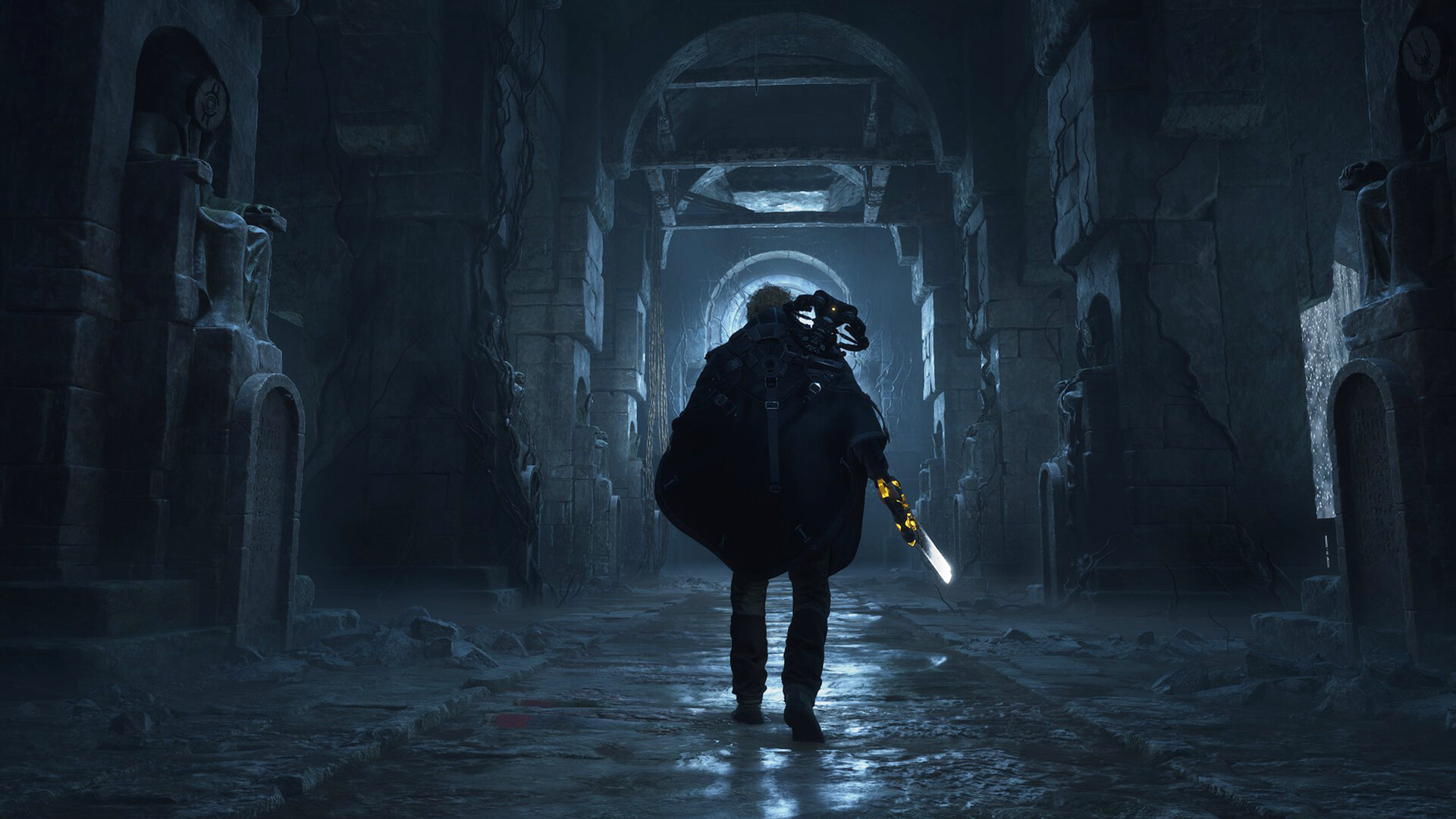
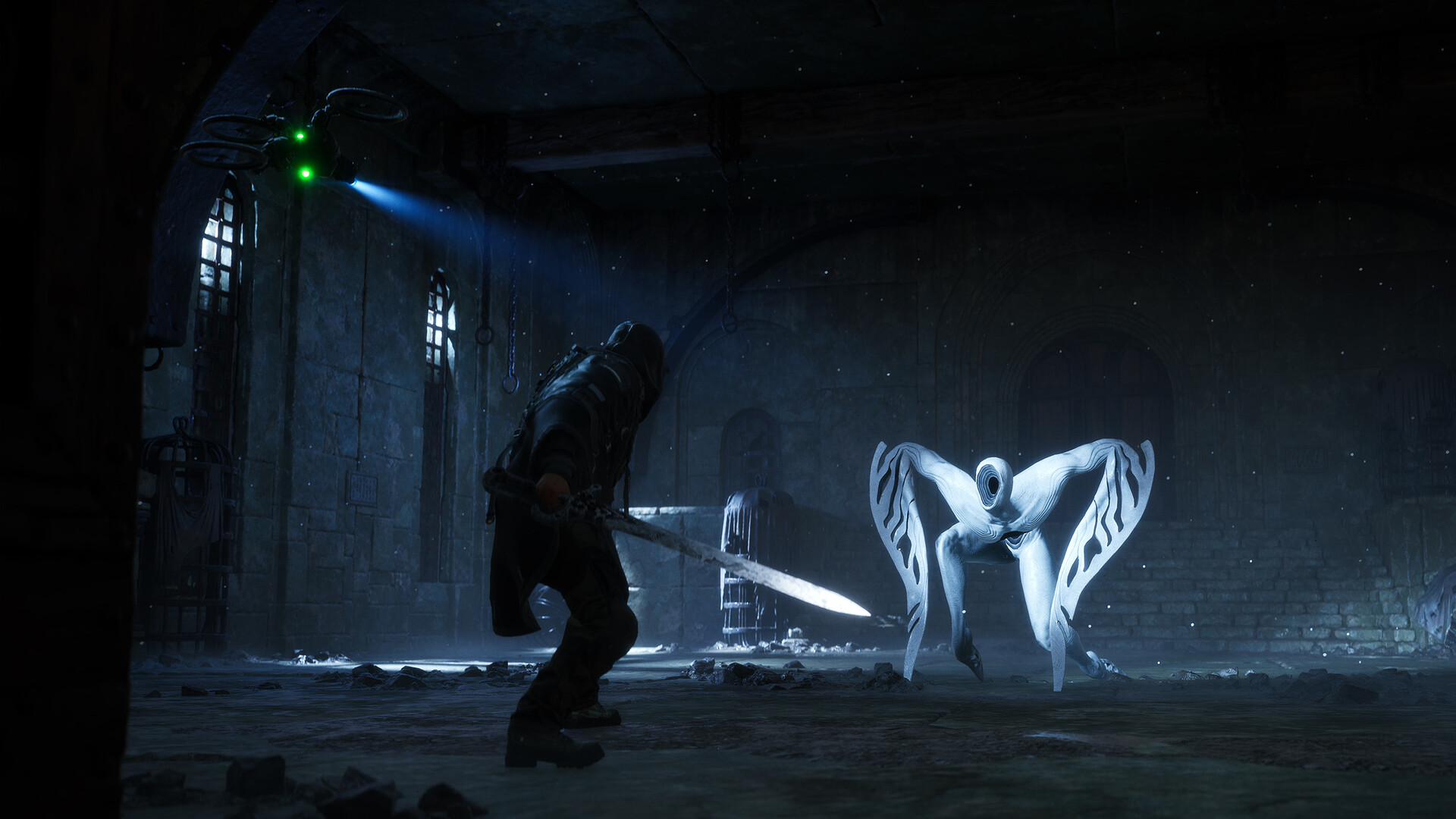
Hell Is Us proudly displays its Soulslike influences right over its heart, yet manages to feel fresh. Every fight forces you to parse the situation, listen to the enemy's tells, and act. The healing pulse is the game’s quiet genius: land your attack when the beat says you should, and your life bar nibbles back toward bright. Too careful, and enemies wear you slowly, each stray hit a tiny lonely death. But if you greet them with confidence, your bar glows, and they scatter like they just heard the teacher come back in the room—risk for the right rhythm brings survival.
What really sets this system apart is how it throws away rigid class codes. Grab any weapon that’s lying around. Swing it once. Swing it again. You’ll know in two minutes if it’s your weapon—or if you need to keep looking. This open approach lets you mold combat around your habits rather than the game’s manual. Your preferred rhythm becomes the rules, and the game rolls with it.
Yet fighting never feels optional. The foes you meet, those unsettling Limbic beings, aren’t just bipedal damage counters. They carry entire emotional storms within them, each one a living embodiment of grief, lust, and other grown-up hues of feeling. At the same instant that you’re pressing your dodge-roll, it hits you: this isn’t just another health bar. The blade and the bitter backstory are the same thing. You never deal with pure mechanics, and somehow you never feel the dev team’s gears grinding, either.
Now look at the frame for those sequences. Hadea isn’t set decoration that rolls up after the credits; it’s the person you talk to in a soft, busted voice every time you save in a ruined church. Epic civil war has left actual furrows in the soil, and haunted buildings look like a place and a story moved in, unpacked, and half went away. NPCs talk about tragedies and triumphs as if they were passing across the same bench you left just minutes ago. Wake up, turning off do-nothing-quests to stick to the very bottom of many layers. Unlike most worlds, this one never needs your personal autograph to feel like it had a life before your arrival.
The good deeds system is quietly massive. You won’t spot neon “side quests” hovering overhead; instead, they appear like everyday life. You pass a jittery villager, see a low shrine needing repair, or hear a soldier quietly mourning. You can choose to help, but if you walk away, the world keeps on, reminding you that action isn’t the same as story; life keeps shifting.
Remi’s journal, meanwhile, keeps that shift in view. It’s not “Page 1 of 10” for chores; it grows into a scrapbook of what you find. Turning the pages is like leafing through a weary traveler’s diary. You see half-eaten thoughts, lopsided sketches, and margin notes that ask questions the traveler never got to answer.
The world voices its past through its sights. You wander abandoned cities that don’t just stand silent; they sag with the memory of sieges, betrayals, and the last-ditch courage of defenders. Dungeons are less dungeon runs and more keeps for the echoes of a culture’s crises and dreams. A villager shakes as they walk by; it’s a tiny, perfect detail that lets you feel the weight they carry, and that weight is unmistakably present in every quiet, harrowed part of Hadea.
The Balance Between Frustration and Fulfillment
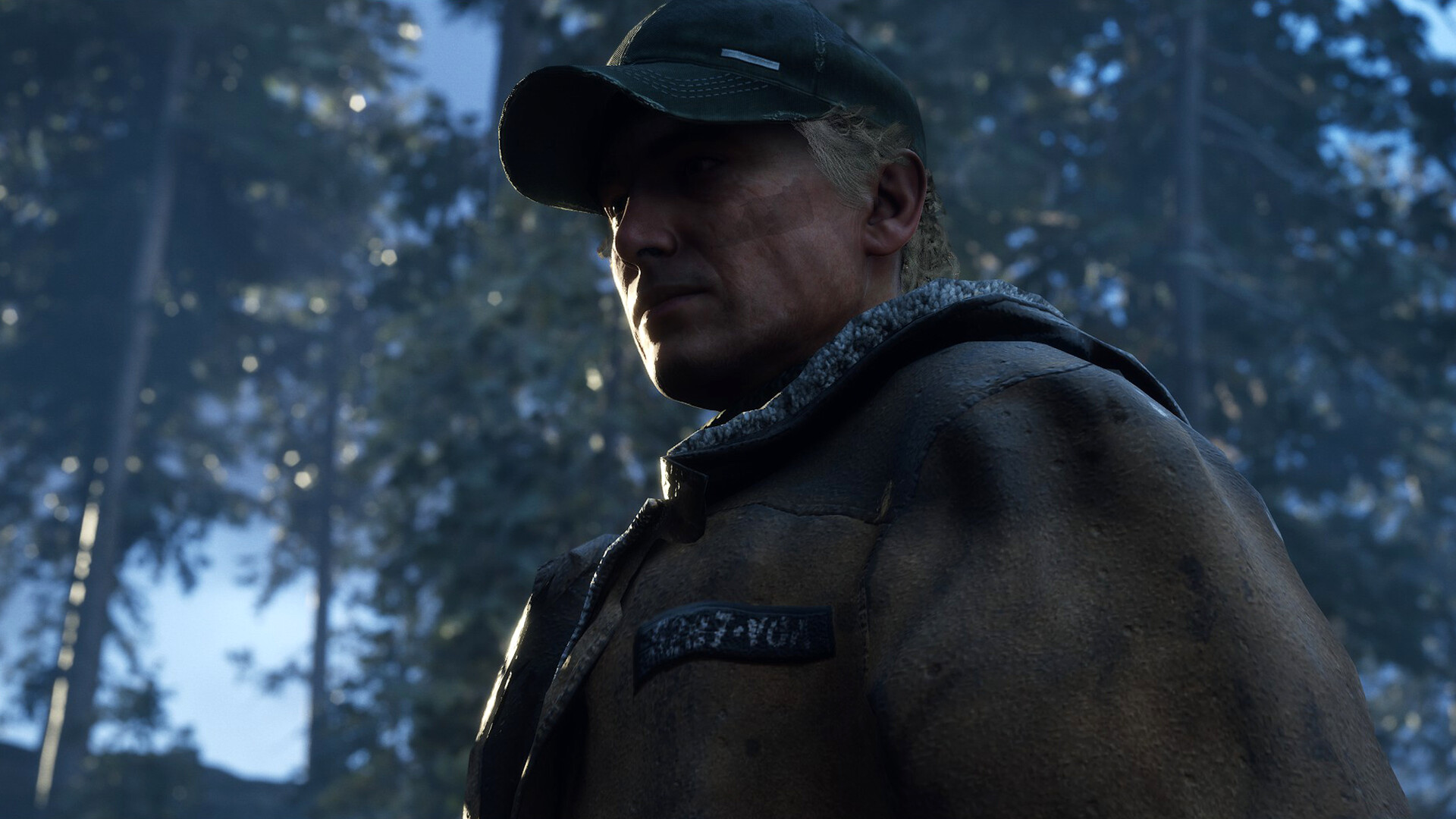
Let’s face it: Hell Is Us is built to shake up the fanbase. Some players will dive right into the lack of hand-holding and feel that familiar joy of the “a-ha!” moment. Others will chuck the controller at what feels like endless moonlight mazes. The game looks you in the face and asks, “Will you come to me, or not?”
For me, the scale tipped to joy. Sure, there were loops of me checking the same dusty alley again and again for the umpteenth time. Sure, I cursed the ley lines that seemed only to mock me. But the moment the jigsaw in my mind clicked, the tiny “streetlight in the fog” moment bathed the entire hour in sunlight. Hell Is Us says, “I believe you’re smart enough—clue is in the rust and whispers, so listen,” and that feels truly rare when most games wonder if you know how to crouch.
Conclusion: A Journey for the Attentive
If you need flashing icons and a quippy sidekick, turn back—this game openly waves you off. Hell Is Us cultivates patience like a garden for the note-jotters, the curious, and the “I’ll solve this or sit in the quiet until I can.” The ache of fog is the point.
The game’s quiet cry for your attention comes alive through unspoken signs, narrative woven into every swung weapon, battle that feels like a puzzle, and a world that hugs you back with wind and rust. It’s both a letter from the ’90s and a sealed one from tomorrow.
While many games hold your hand every step of the journey, Hell Is Us throws down a different challenge: step into the dark, wander the twisted paths, trip over your own expectations, and make the light you need through sheer determination. Answer that dare, and the land of Hadea becomes a teacher that rewards your every hard-won step with memories you won’t shake off.