Visions of Mana – A solid addition to the Mana series
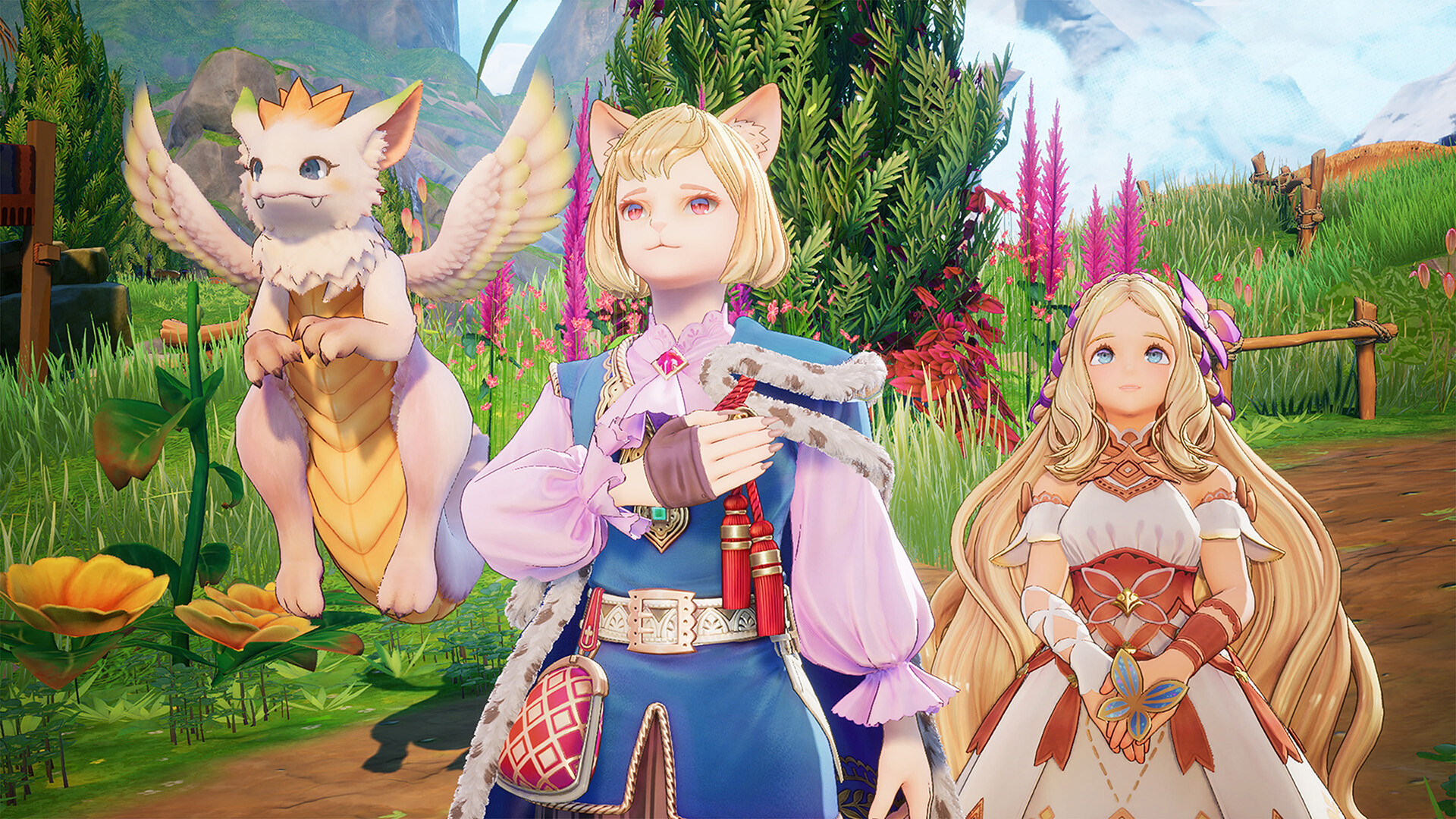
Playing Visions of Mana feels like the ultimate cozy vibe. Even though it’s been 18 years since the last original game, and after all the remakes and the lit Trials of Mana from 2020, this game is still the most extra in the series. It’s got that perfect mix of nostalgia and fresh energy, and honestly, it’s making me want to buy cheap PS4 games just to fully immerse myself in its world. If you’re a fan of the series or just love a good JRPG, this one’s calling your name! It’s like kicking back on your couch after school, no stress, watching an epic “Afternoon Session” adventure—chill but with cool twists and turns, knowing everything’s gonna turn out fine. The story kicks off with our classic hero Val, who’s basically the ultimate good guy. He’s all about helping others and is chosen as the Soul Guard, the big deal warrior from his village. His job? Escorting the Alms to the Mana Tree so they can keep the Mana flowing and save their towns. Each region has its own Alm, a sort of elemental oracle, that’s crucial for maintaining the world’s balance. Val’s squad includes Hinna, who’s not just his love interest but also the Fire Alm. They hit the road together to track down the other Alms scattered around. Along the way, they meet new allies, discover breathtaking locations, and witness firsthand how the absence of an Alm can totally wreck regions due to a Mana shortage.
Balance Higher Difficulty with Enhanced Growth
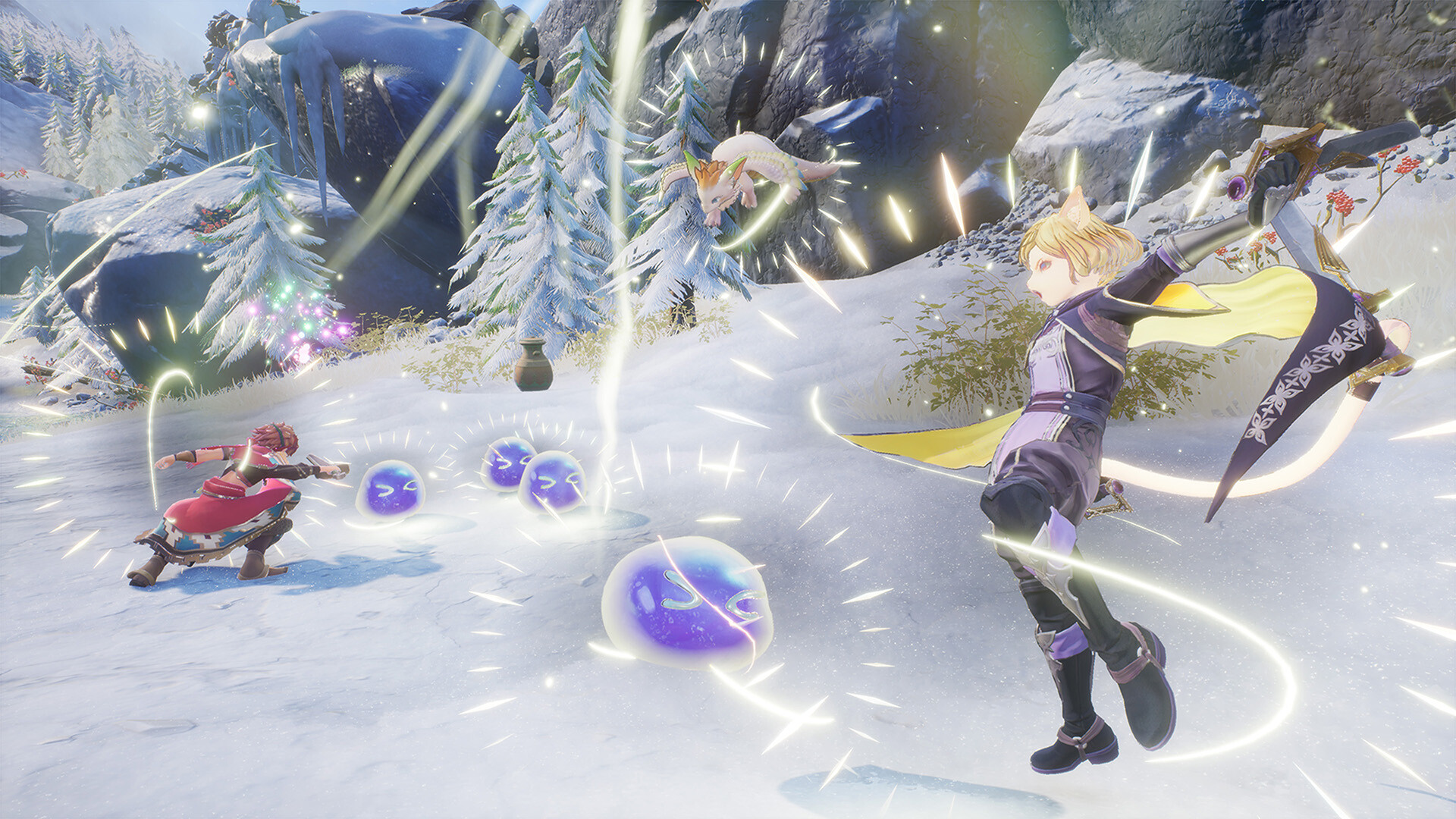
Class growth in Visions of Mana isn’t its strongest suit. Each class follows a pretty linear path, unlocking new spells and passive abilities in a set order. While it’s functional, if you’re looking for more dynamic or branching progression systems, it might be worth checking out other titles—perhaps it’s time to buy cheap PS4 games that offer deeper customization and more innovative approaches to character development. You can swap spells between classes, but passive abilities are locked to their specific class. This can be annoying, especially when some of the coolest skills are tied to the same elemental class as another party member. I wanted to try out different class combos, but often couldn’t because multiple classes shared the same element. Plus, some classes just outshine others—like Palamena’s Archmage class, which blows all her other classes away in magic stats and damage. Careena’s Dark element class also makes her a total powerhouse. From the start, Visions of Mana offers several difficulty modes. I mostly stuck to Hard Mode during my playthrough. It’s a good mix of taking heavy damage while also limiting how many healing items you can bring into fights. You can carry up to 99 items, but you’ll only be able to use a small fraction in any single battle. Enemies hit hard, dealing over a hundred damage per attack midway through the game, so Hard Mode is for those who want to really utilize defensive strategies. Val is best suited for using a lance and shield. He gets abilities to grab enemy aggro and even absorb damage with his shield. You can switch difficulty levels whenever you’re out of combat, so you’re not stuck on one setting. If you’re up for a real challenge, there’s an advanced difficulty that unlocks after finishing the main story, which increases character growth caps to balance out the higher difficulty.
Efficient Enemy Clearing Tactics
One of the sick features of this system is that once a skill is unlocked from any elemental tree, you can equip it on any character. It’s a flexible mechanic that adds some serious strategy to your playstyle. The really powerful passive buffs are still tied to specific classes. On top of that, characters can equip various ability items that either give passive boosts (like 20% Strength) or active skills (like Fireball). Also, depending on the elemental vessel equipped, characters can use it in combat for different effects. For example, the moon vessel slows down enemies while speeding up your team, while the light vessel links enemies together. My fave combo was to deck out Morley with a skill that cut enemy magic defense, use the light vessel to link them up, and then drop a massive wide-area nuke with Palamena. This usually wiped out a whole squad of tough enemies in just a few hits.

Conclusion
Visions of Mana ends up treading a lot of familiar ground, with players constantly circling back to earlier cities to tackle side quests that feel less urgent compared to the main quest. It often felt like the game was stretching its runtime, which ended up being around sixty to seventy hours by the time I finished. Every new chapter had me revisiting each town to check for new side quests, which was a bit of a drag before fast travel became available. Once I figured out you could fast travel between save points on the same island, it made things a bit easier. Most of the side quests were pretty standard fetch quests that didn’t add much beyond basic rewards, but some did offer equippable accessories with useful passive effects. Overall, Visions of Mana is a solid addition to the Mana series that action RPG fans will dig. Despite some pacing issues and a bit of padding to extend the game’s length, it still delivers a satisfying experience. For a series usually done in 20-25 hours, this one’s length might be a bit of a surprise, but it’s mostly engaging. While it might not be the most unforgettable story in the Mana franchise, the combat is definitely the most fun it’s ever been.