Lately I've really gotten into a few apps built with Material 3 (Material You). Their design is simple, elegant, and beautiful.
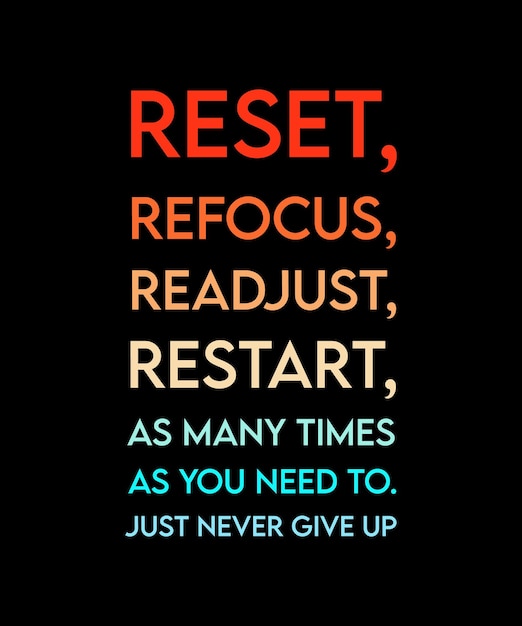
Many people share the same habit: downloading piles of e-books but rarely reading them; installing lots of apps but rarely opening them; making endless plans but never acting on them.
Several days ago, I heard a piece of news saying Meta may take over your account and keep posting after you die.
What a brilliant idea! When poor people are still alive they can sell their bodies physically, as prostitutes; or virtually as streamers on OnlyFans, to make some money.
When they die, their bodies can be used in various ways and nobody cares.
And now their virtual avatars can live forever without their permission, helping Mark Zuckerberg or others make money in the future.
What an amazing world for the poor!
What a great world for the rich!
Am I supposed to be moved by Mark Zuckerberg's algorithm?
Am I supposed to be touched by Mark Zuckerberg's beautiful heart, for helping a dead man alive forever?
Death is nothing at all.
It does not count.
I have only slipped away into the next room.
Nothing has happened.
Everything remains exactly as it was.
I am I, and you are you,
and the old life that we lived so fondly together is untouched, unchanged.
Whatever we were to each other, that we are still.
Call me by the old familiar name.
Speak of me in the easy way which you always used.
Put no difference into your tone.
Wear no forced air of solemnity or sorrow.
Laugh as we always laughed at the little jokes that we enjoyed together.
Play, smile, think of me, pray for me.
Let my name be ever the household word that it always was.
Let it be spoken without an effort, without the ghost of a shadow upon it.
Life means all that it ever meant.
It is the same as it ever was.
There is absolute and unbroken continuity.
What is this death but a negligible accident?
Why should I be out of mind because I am out of sight?
I am but waiting for you, for an interval,
somewhere very near,
just round the corner.
All is well.
Nothing is hurt; nothing is lost.
One brief moment and all will be as it was before.
How we shall laugh at the trouble of parting when we meet again!
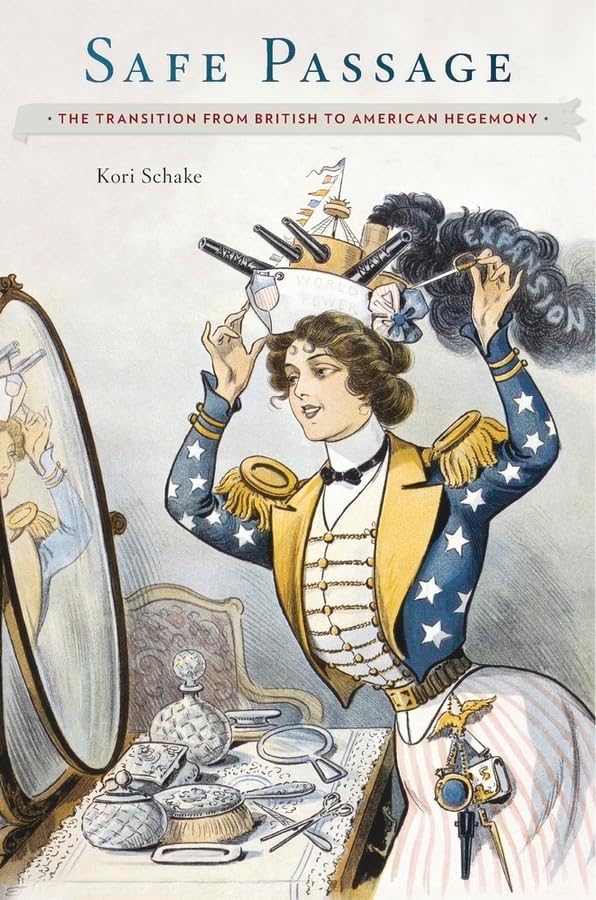
Safe Passage: The Transition from British to American Hegemony by Dr. Kori Schake
History records only one peaceful transition of hegemonic power: the passage from British to American dominance of the international order. What made that transition uniquely cooperative and nonviolent? Does it offer lessons to guide policy as the United States faces its own challengers to the order it has enforced since the 1940s? To answer these questions, Kori Schake explores nine points of crisis or tension between Britain and the United States, from the Monroe Doctrine in 1823 to the establishment of the unequal “special relationship” during World War II.
Over this period, Safe Passage shows, the United States gradually changed the rules that Britain had established at its imperial height. It was able to do so peacefully because, during the crucial years, Britain and the United States came to look alike to each other and different from other nations. Britain followed America’s lead in becoming more democratic, while the United States, because of its conquest of the American West, developed an imperial cast of mind. Until the end of World War II, both countries paid more attention to their cumulative power relative to other states in the order than to their individual power relative to each other.
The factors that made the Anglo-American transition peaceful, notably the convergence in their domestic ideologies, are unlikely to apply in future transitions, Schake concludes. We are much more likely to see high-stake standoffs among competing powers attempting to shape the international order to reflect the starkly different ideologies that prevail at home.
A cuatro profesores de literatura, Pelletier, Morini, Espinoza y Norton, los une su fascinación por la obra de Beno von Archimboldi, un enigmático escritor alemán cuyo prestigio crece en todo el mundo. La complicidad se vuelve vodevil intelectual y desemboca en un peregrinaje a Santa Teresa (trasunto de Ciudad Juárez), donde hay quien dice que Archimboldi ha sido visto. Ya allí, Pelletier y Espinoza se enteran de que la ciudad es desde años atrás escenario de una larga cadena de crímenes: en los vertederos aparecen cadáveres de mujeres con señales de haber sido violadas y torturadas. Es el primer asomo de la novela a sus procelosos caudales, repletos de personajes memorables cuyas historias, a caballo entre la risa y el horror, abarcan dos continentes e incluyen un vertiginoso travelling por la historia europea del siglo XX. 2666 confirma el veredicto de Susan Sontag: “el más influyente y admirado novelista en lengua española de su generación. Su muerte, a los cincuenta años, es una gran pérdida para la literatura”.
title: What We Talk About When We Talk About Love
date: 2026-09-06
draft: false
Tags:
– “Books”
– digest
The most celebrated story collection from “one of the true American masters” (The New York Review of Books)—a haunting meditation on love, loss, and companionship, and finding one’s way through the dark that includes the iconic and much-referenced title story featured in the Academy Award-winning film Birdman.
“Raymond Carver's America is ... clouded by pain and the loss of dreams, but it is not as fragile as it looks. It is a place of survivors and a place of stories.... [Carver] has done what many of the most gifted writers fail to do: He has invented a country of his own, like no other except that very world, as Wordsworth said, which is the world to all of us.” —The New York Times Book Review



 当人生已经跌到谷底的时候,刘裕是如何绝处逢生的?