Best Eye Supplements for Dry Eyes: What to Look For Before You Choose
If your eyes feel gritty by mid-afternoon, or you find yourself holding menus further away every year, you have probably wondered whether a supplement could help. The shelves are crowded, the labels are loud, and most of them promise far more than a capsule can reasonably deliver. This guide walks through how to judge the best eye supplements for dry eyes without getting lost in marketing, using plain criteria you can check yourself.
Why dry, tired eyes are so common
Screens are the usual suspect. When we stare at a display we blink far less often, so the tear film thins and evaporates faster. Add dry office air, late-night phone use and the natural changes that come with age, and “tired, gritty eyes” becomes the default by early evening.
That does not mean every case is the same. Dry eye can come from the surface of the eye, from the glands that make the oily layer of tears, from medications, or from underlying health conditions. A supplement is at best a supporting player. If symptoms are persistent, painful or sudden, an eye-care professional should look at them first, and nothing here replaces that advice.
Start with the ingredient list, not the front of the bottle
A useful eye formula usually draws from a few well-known groups of nutrients. When you read a label, look for these and check the amounts rather than just the names:
- Macular carotenoids: lutein and zeaxanthin, often sourced from marigold, are the pair most associated with filtering blue light.
- Antioxidant vitamins and minerals: vitamin C, vitamin E, zinc, copper and selenium appear in most mainstream eye formulas.
- Botanicals: bilberry, saffron and eyebright are traditional additions that show up in many newer blends.
- Omega-3 fats: common in dry-eye products, though they are usually sold separately from vitamin-style capsules.
The point is not that more ingredients is better. A short list at meaningful doses beats a long list of token amounts every time. If a company hides doses inside a “proprietary blend”, treat that as a reason for caution.
The gut-eye angle: a newer idea worth understanding
Most eye vitamins focus entirely on feeding the eye. A newer approach asks whether the gut barrier matters too. The argument is that a weakened gut lining can let inflammatory molecules such as LPS into circulation, where they may affect delicate tissue around the eye. Formulas built on this idea add ingredients meant to support the barrier, such as grape seed extract, rutin, quercetin and taurine, alongside the familiar eye nutrients.
It is an interesting premise and it explains why some modern formulas look different from the classic lutein-plus-vitamins tablet. It is also fair to say the research here is still developing, so it is worth reading the claims with a critical eye and keeping expectations realistic.
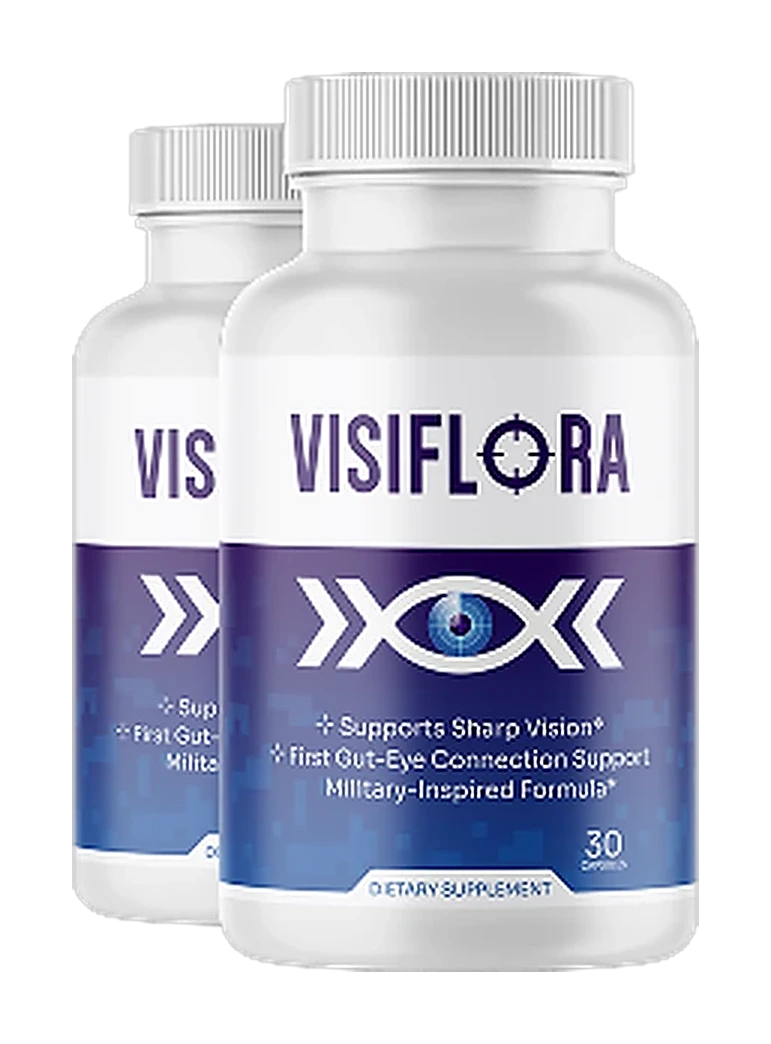
If you want to see how one formula puts this idea into practice, best eye supplements for dry eyes: a lutein formula review lays out the full ingredient groups, dosing routine and guarantee terms in one place so you can compare it against any other label.
Practical checks before you buy
Whatever product you are considering, a quick checklist saves money and disappointment:
- Dose transparency. Every active ingredient should have an amount, not just a name.
- Routine you will actually follow. One capsule a day with food is easier to keep up than three tablets at three different times.
- Refund terms. A clear money-back window tells you the seller expects honest trials.
- Realistic language. Be wary of phrases like “cures”, “reverses” or “guaranteed results”. Supplements support health; they do not treat disease.
- Stimulants and fillers. Eye formulas rarely need them, so a clean label is a good sign.
- Total cost per month. Compare per-bottle prices on a 30-day basis, not the headline bundle number.
What to expect, and how long to wait
Eye nutrients work slowly. Carotenoids build up in the macula over weeks, not days, so judging a product after a few evenings is not fair to it. Most people who report a change describe it as gradual: less end-of-day strain, a bit more comfort driving at night, reading with less effort. Individual results vary a great deal, and some people notice nothing at all, which is exactly why a refund window matters.
Keep supporting habits going at the same time, because they often make a bigger difference than the capsule itself. Follow the 20-20-20 rule (every 20 minutes, look at something 20 feet away for 20 seconds), blink deliberately during long screen sessions, keep your screen slightly below eye level, drink enough water, and use a humidifier if your room air is dry.
A simple way to decide
Pick two or three products, put their labels side by side, and score them on dose transparency, routine, cost per month and refund terms. Ignore the testimonials, because they are the easiest part of any page to polish. Choose the one that is honest about what it contains and what it cannot promise, give it a fair trial of several weeks, and note how your eyes feel at 4 p.m. rather than in the first few days.
If you have questions about any of the products or ingredients mentioned here, or want help comparing options, you can contact the Welavie team and they will point you to the right information.
This article is for general information only and is not medical advice. Speak with a qualified professional before starting any supplement, especially if you are pregnant, take medication, or have an existing eye condition.