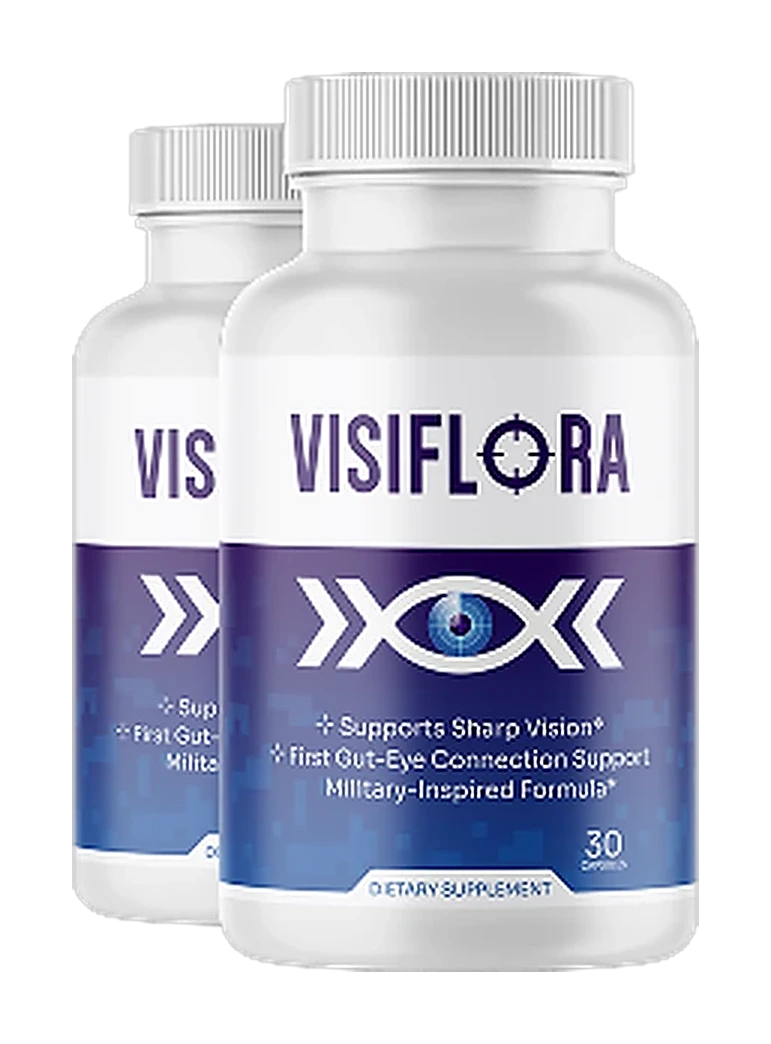
Lutein Supplement for Eyes: Dose, Timing and What to Pair It With After 40

Somewhere in your forties, small things start to change. Menus move a little further away, headlights at night feel harsher and your eyes are tired by the end of a long screen day. Lutein is one of the nutrients people hear about most when they start reading about eye health, and for good reason. Welavie's review of a lutein supplement for eyes looks at one formula in detail; this post covers the general questions readers ask most often: how much lutein, how long it takes, when to take it and what it is usually paired with.
What lutein actually does
Lutein is a carotenoid, a natural pigment found in leafy greens such as spinach and kale, in egg yolks and in yellow and orange vegetables. Along with its partner zeaxanthin, it collects in the macula, the small central part of the retina responsible for sharp, detailed vision. There it acts as a natural filter for high-energy blue light and as an antioxidant.
The body cannot make lutein, so it has to come from food or supplements. Many adults eat far less leafy green food than nutrition guidelines suggest, which is one reason lutein supplements have become so popular.
How much is typical
Most eye formulas provide lutein in a range of about 6 to 20 mg a day, usually alongside a smaller amount of zeaxanthin. The amounts used in well-known eye health research sit in that range too. More is not automatically better; the useful questions are whether the dose is clearly listed and whether it sits in a sensible range.
When you compare labels, check:
- The exact milligrams of lutein and zeaxanthin, not just their names.
- The source, often marigold flower extract.
- Whether it is hidden in a blend. “Proprietary blend” with no amounts is a reason for caution.
- What else is included, and whether the extra ingredients have a clear purpose.
When to take it, and with what
Lutein is fat-soluble, which means it is absorbed better with a meal that contains some fat. A capsule taken with breakfast eggs or a lunch with olive oil will usually do better than one swallowed with black coffee on an empty stomach.
Consistency matters more than timing. Carotenoids build up in the macula slowly over weeks and months, so a daily habit you can keep is more valuable than the perfect hour.
How long before you notice anything
This is where expectations most often go wrong. Lutein is not a quick-acting product. Studies typically measure changes over several months, and many people describe any benefit as gradual: a bit more comfort at the end of the day, less glare driving at night, reading with less effort. Some notice nothing at all. A fair trial is at least two to three months of daily use, which is why a clear money-back window is worth looking for.
What lutein is usually paired with
Modern eye formulas rarely contain lutein alone. Common partners include:
- Zeaxanthin, the second macular pigment.
- Bilberry and saffron, traditional botanicals often included for eye comfort.
- Vitamin A, vitamin C, vitamin E and zinc, the antioxidant group seen in many mainstream eye formulas.
- Gut-barrier ingredients such as grape seed, rutin, quercetin and taurine in some newer formulas built on the gut-eye idea.
That last group reflects a newer argument: that a weakened gut lining may allow inflammatory molecules into circulation, where they can affect delicate eye tissue. The research is still developing, but it explains why some formulas now look very different from a plain lutein tablet. This earlier article on dry, tired eyes and the gut explains the idea in more detail.
Screens, sleep and the end of the day
Long screen days affect more than the eyes. Bright light late in the evening can push back the body's sleep signals, and tired eyes and broken sleep tend to arrive together. A few habits help both: follow the 20-20-20 rule during the day, dim lights and screens in the last hour, and keep the phone out of the bedroom.
Some readers who struggle with sleep as well as eye strain have asked about sleep formulas. If that is you, read recent Yu Sleep reviews with the same label-first approach you use for eye supplements: check the melatonin dose, the full ingredient list and the guarantee. This earlier Yu Sleep buyer guide covers the main things to check.
Building a sensible supplement shelf after 50
By the time people reach their fifties, many are juggling several products at once: an eye formula, something for sleep, perhaps something for joints or, for men, prostate support. Stacking products without a plan is how people end up taking the same ingredient three times over or spending far more than they meant to.
A simple approach works best:
- Write down everything you take, including vitamins and over-the-counter medicines.
- Look for overlaps, especially zinc, vitamin A and vitamin D, which appear in many formulas.
- Add one product at a time, so you can tell what is helping.
- Take the list to your doctor or pharmacist once a year.
For men weighing up a prostate formula as part of that shelf, the ProstaVive reviews from 2025 set out ingredients, side effects and refund terms in one place, which makes overlaps easy to spot. And for help reading any supplement review critically, see this guide on how to read supplement reviews without getting misled.
When to see an eye doctor first
A supplement supports eye health; it does not treat eye disease. See an optometrist or ophthalmologist before starting anything if you notice sudden changes in vision, flashes or floaters, distorted straight lines, eye pain or redness that does not settle. Regular eye checks after 40 are worthwhile even when everything seems fine.
The bottom line
Lutein is one of the better-understood eye nutrients. Choose a formula with clearly listed doses in a sensible range, take it with a meal that contains some fat, stay consistent for at least two to three months and keep your expectations realistic. Pair it with good screen habits, decent sleep and regular eye checks.
If you have questions about any of the products mentioned here, you can contact the Welavie team and they will point you to the right information.
This article is for general information only and is not medical advice. Speak with a qualified professional before starting any supplement.