The Most Amazing Horror Games You Can Enjoy Right Now
Survival and psychological genres have and will continue to demand patience, focus, and a willingness to experience worlds intended to disturb rather than entertain, and, as a lifelong follower of the genre, I have long ago come to appreciate the fine line between fascinating and frightening as well as the lingering dread that follows the controller being set down. The seamless horror games that have managed to accomplish this year still perplex me. Blending technical prowess with narrative ambition, the blossoming horror games have incorporated atmospheric mastery with eloquent precision. Some believe in remaking rather than classical works, while others push the boundaries of creativity, and there are some that seem to experiment with the balance of both and work with styles that challenge the expectations of both newcomers and veterans alike.
What connects these games is not only their capability of scaring, but also their immersion, their capacity to construct spaces that seem lived in and haunted without anything overtly terrifying ever happening. Even when you take a moment to buy cheap games, they each offer unique interpretations of horror — some heavily psychological, others making inventory management and environmental storytelling their strongest weapons. Below, I dissect the standout titles you can engage in this year, each evaluated in terms of atmosphere, narrative, system, execution, pacing, and replay value.

Alan Wake 2
Alan Wake 2 is one of the few sequels that have all the expectations of the world riding on them. This time, Remedy has gone all in on the psychological horror side, ditching most of the thriller-like tone of the previous installment. The experience now is one ingrained in paranoia and dreamy images, interlaced with dual narratives that overlap and fragment, leaving the player in a constant state of questioning reality.
The atmosphere of the game is its most remarkable success. Every time you walk into a new room, there is a feeling of extreme unsettling anxiety. Remedy achieves this by using carefully constructed lighting and environmental details. The sound design piles on more tension with its whispers, exaggerated silences, and distortions that make the room feel alive. This is complemented by their strong narrative that dives deep into Alan’s psyche and creative obsession, using a foil perspective to offer thematic and tonal balance.
Like with any game, there are a few areas that could use some polish. Alan Wake 2, however, is able to give the core of the game’s combat an overhauled modern action-horror system while side-stepping the heavy souls-like elements. Most of the time, this comes in the form of tense encounters, but there are rare instances where the balance of resource scarcity is undermined by unchecked enemy aggression. This balance is what is lacking in combat but what is offered in the investigative elements of the game, where players take the time to piece clues together in order to make sense of the surreal narrative. Multiple playthroughs are worth it, considering the hidden details, narrative strands, and the general replay value.
As a whole, however, Alan Wake 2 stands out not just for its bold advancements. The freedom that the game permits allows the player to explore the deep, psychological layers of horror while testing the borders of the genre.
Alien: Isolation
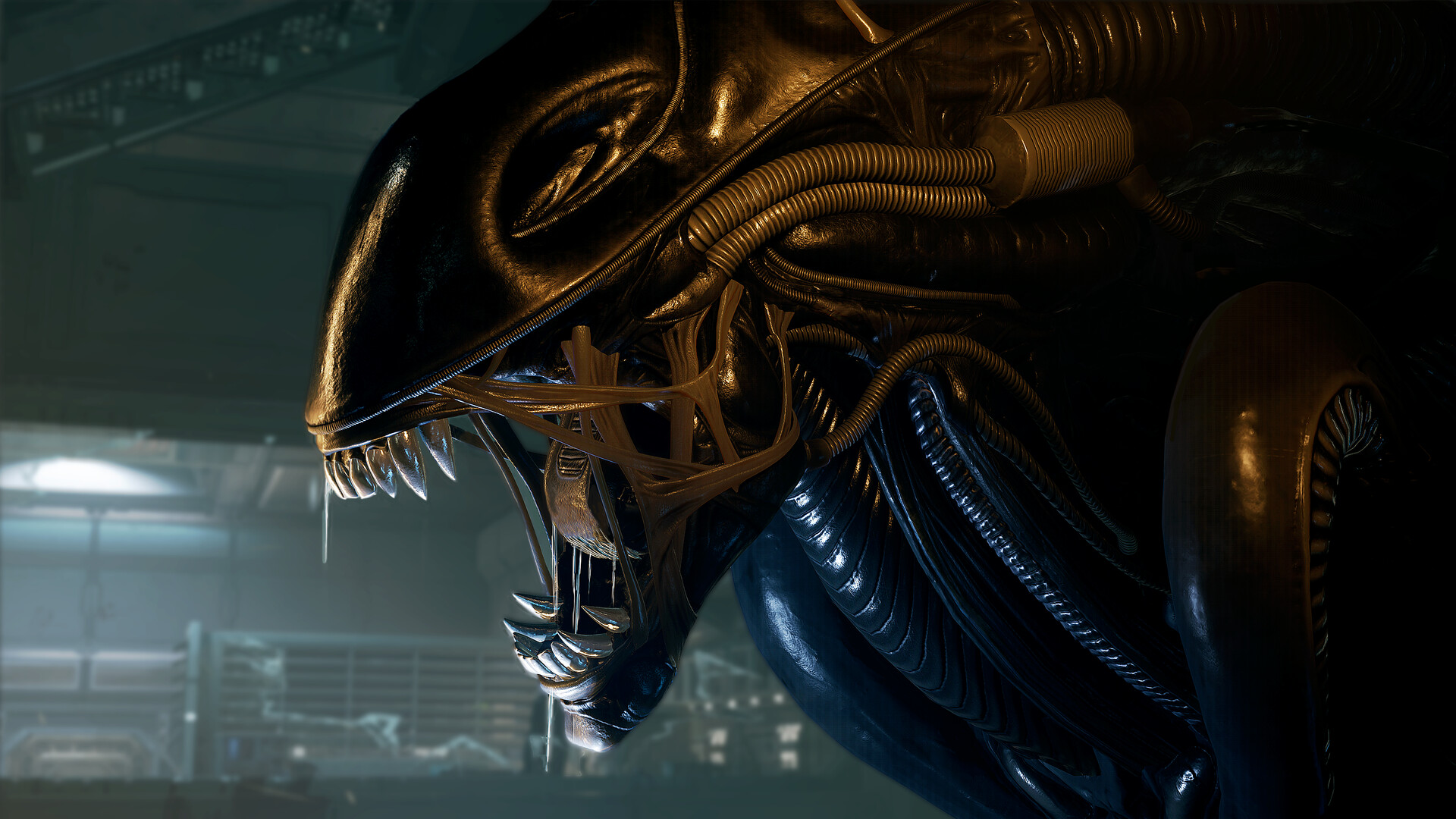
A decade on, Alien: Isolation: Designs remains unmatched in its particular flavor of horror. What makes it important even now is not nostalgia, but rather the master craftsmanship itself. For those still looking to buy cheap PS4 games, Alien: Isolation stands out as a title worth experiencing. Every corner of Sevestapol Station breathes in authenticity from the old futuristic computers/terminals to the sluggish blinking of emergency lights. The most important part is the alien itself. The design of the alien is an unstoppable, unpredictable part that transforms every encounter into part of the game about survival instead of combat.
The amount of traditional weaponry is a huge frustration for those who are used to the traditional systems of modern horror games, but it is this feeling of vulnerability that makes Alien Isolation so effective. Managing resources, making, and being stealthy always seems intentional without overindulgence. The game is easily beaten in a shorter amount of time; however, pacing the game in the last is a common point of complaint.
Even in today’s society, the overall gaming stability is commendable. It is easy to see the alien; however, the collection of the alien and its atmosphere is worth it, as it helps you understand the true essence of dread without overusing it. Alien Isolation is a masterpiece and has other benchmarks for tension and atmosphere.
Alone in the Dark
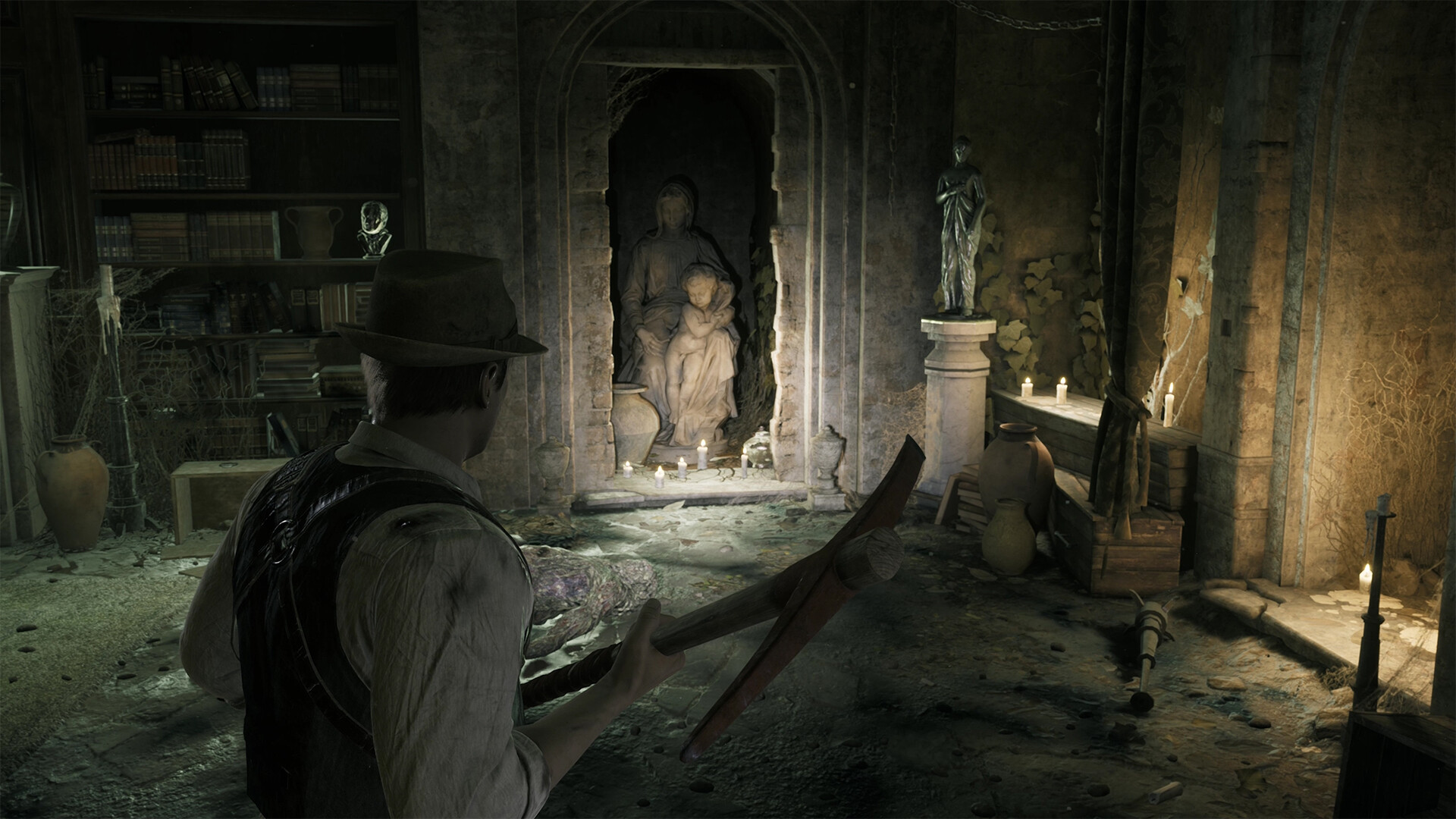
The Alone in the Dark reimagining handles the ancestor of survival horror games with both reverence and the desire to modernize. For players who love to buy cheap Xbox games, this reimagining offers a strong case for revisiting a classic in a fresh light. The overgrown gothic buildings within the bayou of Louisiana immediately set the mood to be reminiscent while also new. Balanced and nuanced within the new directions in the dynamic protagonist storytelling really deepens the replayability and sense of mystery.
The addition of combat in the new remake is the most inconsistent part. Survival horror is always focused on the atmosphere and pacing. The better and more modern the graphics, the better. The puzzles are neither too clear nor too difficult to solve, and the flow as a whole captures the updated essence of what survival horror used to be.
The remake shows sincerity and honor to the genre's roots, which makes the game not bottom tier for this year, even with the low polish it shows when compared to other games of the same genre.
Cronos: The New Dawn
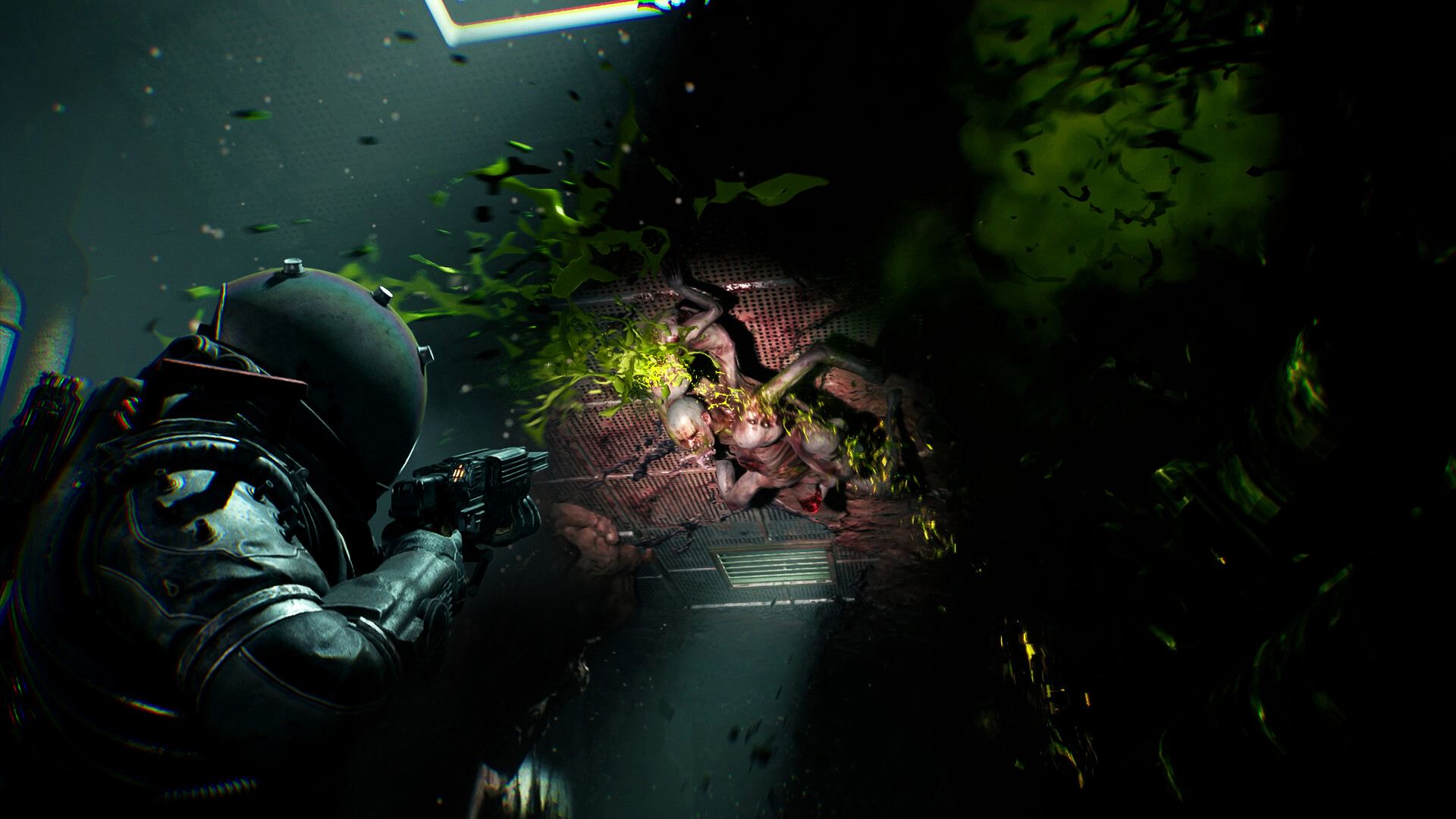
Having an abandoned lunar research colony as the backdrop for Cronos: The New Dawn's setting is impressive, as is the hybridization of the game’s mechanics with time-aware resource control during exploration. The survival horror genre is new for the developers of Cronos: The New Dawn, and while the concern is understandable, the game surely delivers.
Using audio diaries and the environment to decipher the nostalgia for hope and hope under loneliness truly helps add depth to the experience for the player. Battles reduced to resource management and engagement placed in the realm of risk is maximized, making the mechanics extremely vulnerable to action and could be tilted rather easily in balancing.
This year's new mono genre releases surely make Cronos: The New Dawn stand out with its smooth technical performance integration alongside its pc and console frames. The technical performance is satisfactory.
Dead Space (Remake)
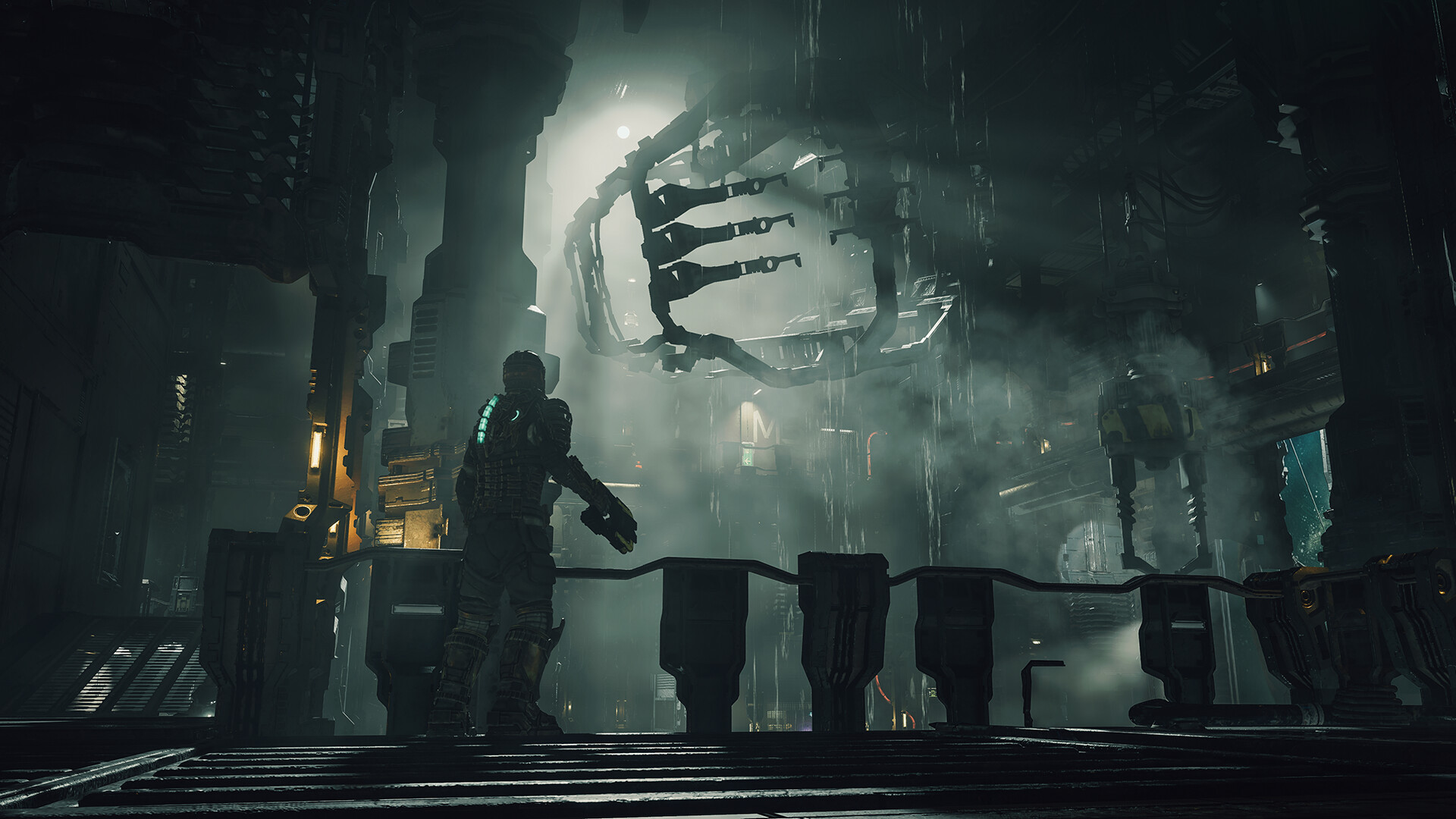
The Dead Space Remake is a perfect example of how respecting a classic game, while adding modern features, is key. Original Visceral, part of the series' franchise horror of the original, is a landmark in the series, while Motive's reimagining adds refinement and leaves the original base untouched. The reimagining of the original Motives is extremely captivating, with the new lighting, sound additions, and changes in the atmosphere making the protagonist's dread, and entire feelings involved, inspire the rest of the new features.
The refinements on the gameplay, combined with the easier upgrade systems and the new seamless-map feature, result in a fluent game with no changes in pressure. The combat in the game is similar, but more advanced at the same time. The flourishing dismemberment mechanic, a series-shaping defining attribute, still remains. It is crucial, though, that the preservation of resource scarcity is done in such a way that makes the encounters suffocating, and not empowering.
The additions to the narrative suddenly brought about the biggest mystery. The protagonist seems to be more emotionally influenced, and the story is much deeper than before. The changes made would, in the eyes of most, enrich the original, but we claim they overshadow it, making the remake a remarkable, enriching work.
Dying Light: The Beast
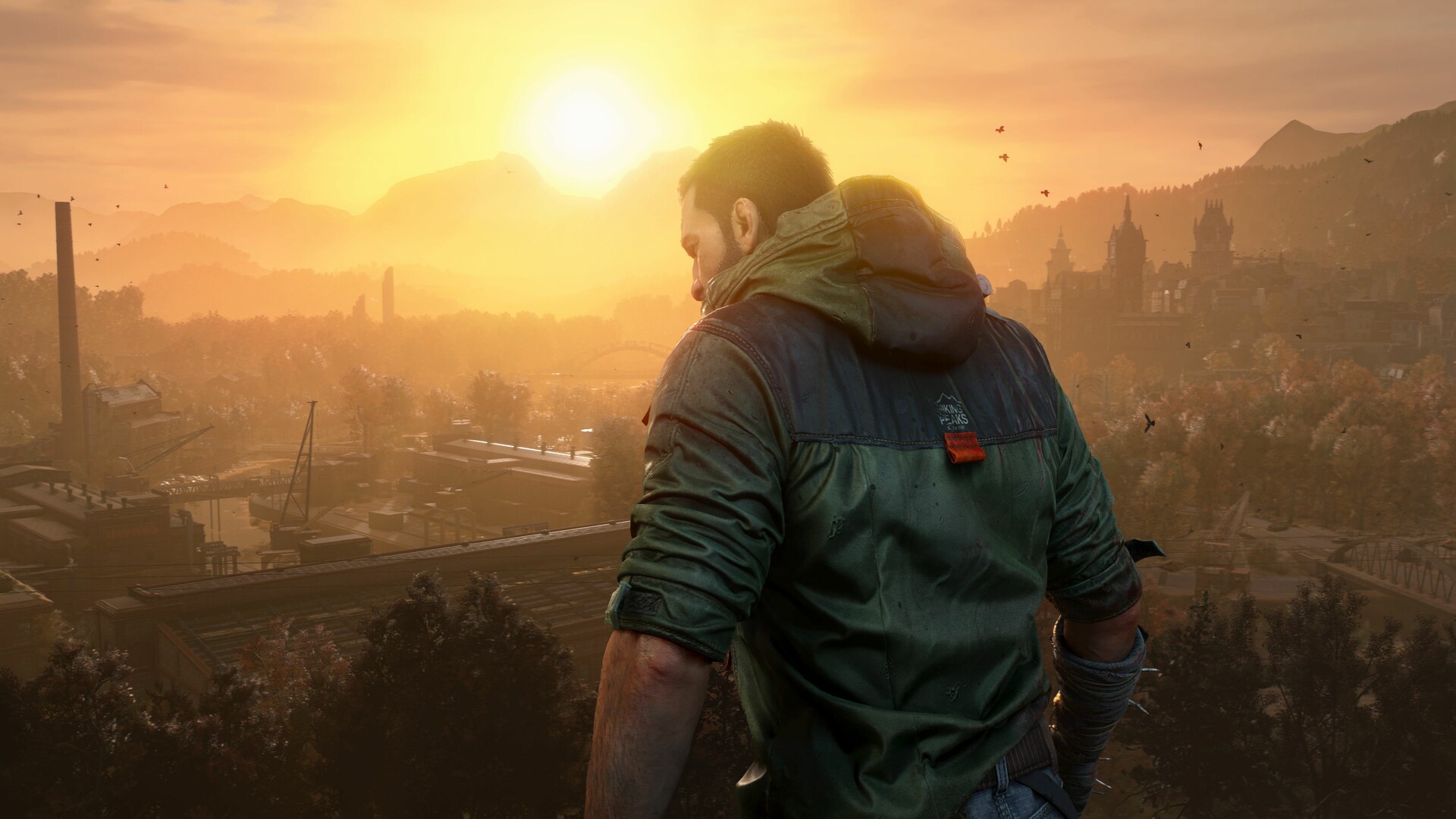
Much like the previous titles, The Beast expansion is still focused on parkour, parkour, and more parkour.
The feeling of jumping from building to building is epic. Still, there is more psychological depth missing from the game. Not to mention, the urban area has darker tones, and the more you delve into the game, the more claustrophobic the surroundings get.
The gameplay still provides thrills despite the gloomy environment. Still, the game does involve combat, but they seem to miss the action part and the horror part of action-horror, which might
Get some backlash. Overall, the resource management, along with the psychological dread of nightfall, makes a good game. This game is a good addition to the franchise, as it maintains the
Fear of a true horror game.
In the best, the action elements of the game don't overshadow the unsettling parts of the game. This is a good direction for the series as it embraces the change and evolves.
The argument around video game remakes is whether they should stick to the original game or they should modernize it. This is the case with Resident Evil and also the fourth installment in the series.
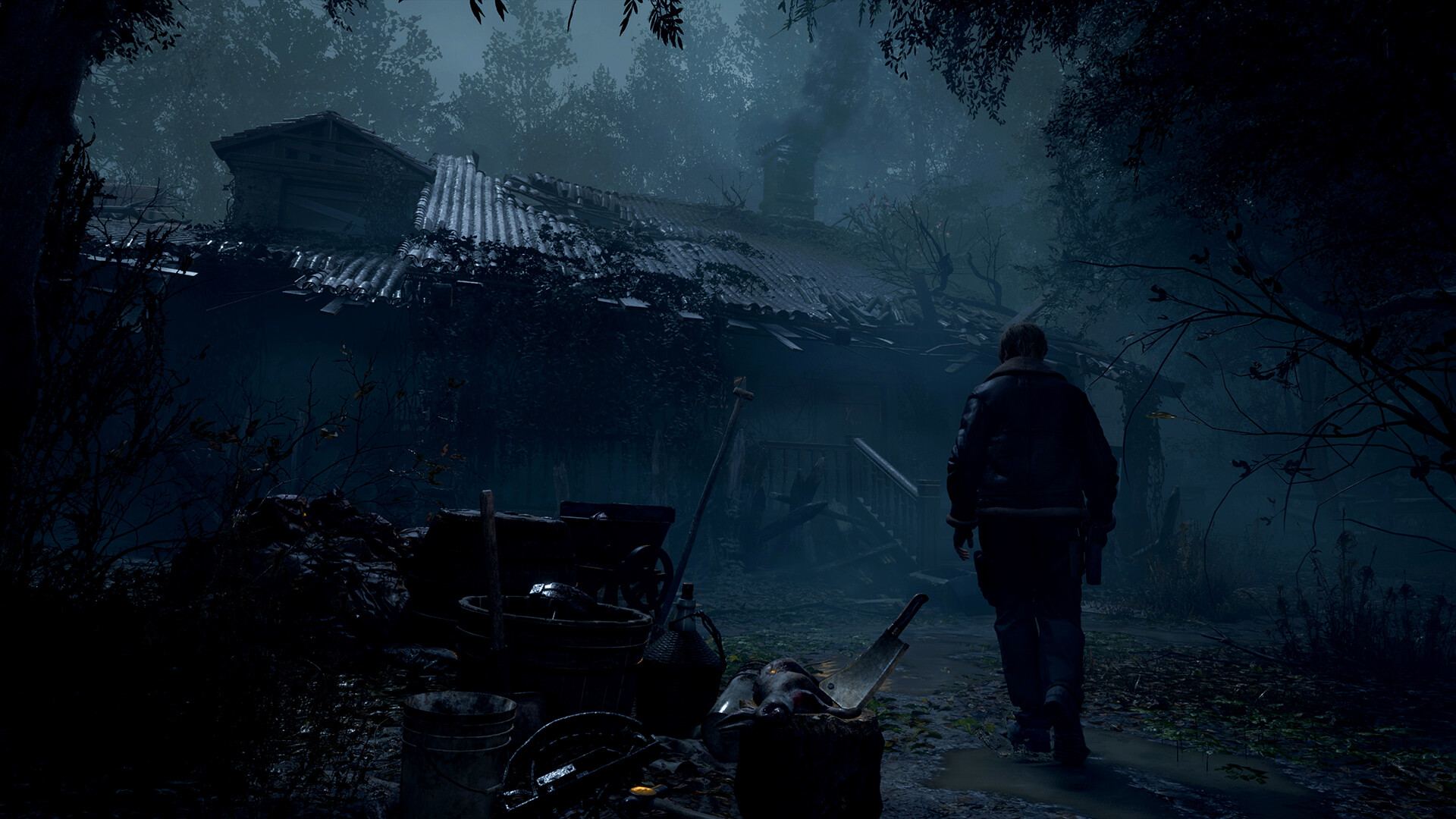
Resident Evil 4
The original Resident Evil 4 is a masterpiece. With a huge fanbase devoted to the game, removing a few elements requires additional effort. For those who like to buy cheap PS4 games, Resident Evil 4 remains one of the most rewarding experiences to revisit. The improvement made to the game also preserves the core elements that made the franchise iconic.
With the new game plot.
Capacom did great with Villages, and castles are now more vividly oppressive than before. The action is still fluid and satisfying, although some may say it is moving more toward action-horror than survival horror. It is still the case that clever encounter design, tight pacing, and scarcity of resources all combine to slacken the fear.
When it comes to narrative, the remake does make a deeper attempt to add relationship weight and even more motivations to a character, while not losing the original's charm. The added value of ease of duplication is somewhat offset by the fact that, these days, a singular experience is appreciated more.
It is, of course, unfair to compare the original, almost two decades old, to the remake. The remake, however, does show that reverence does not exclude reinvention.
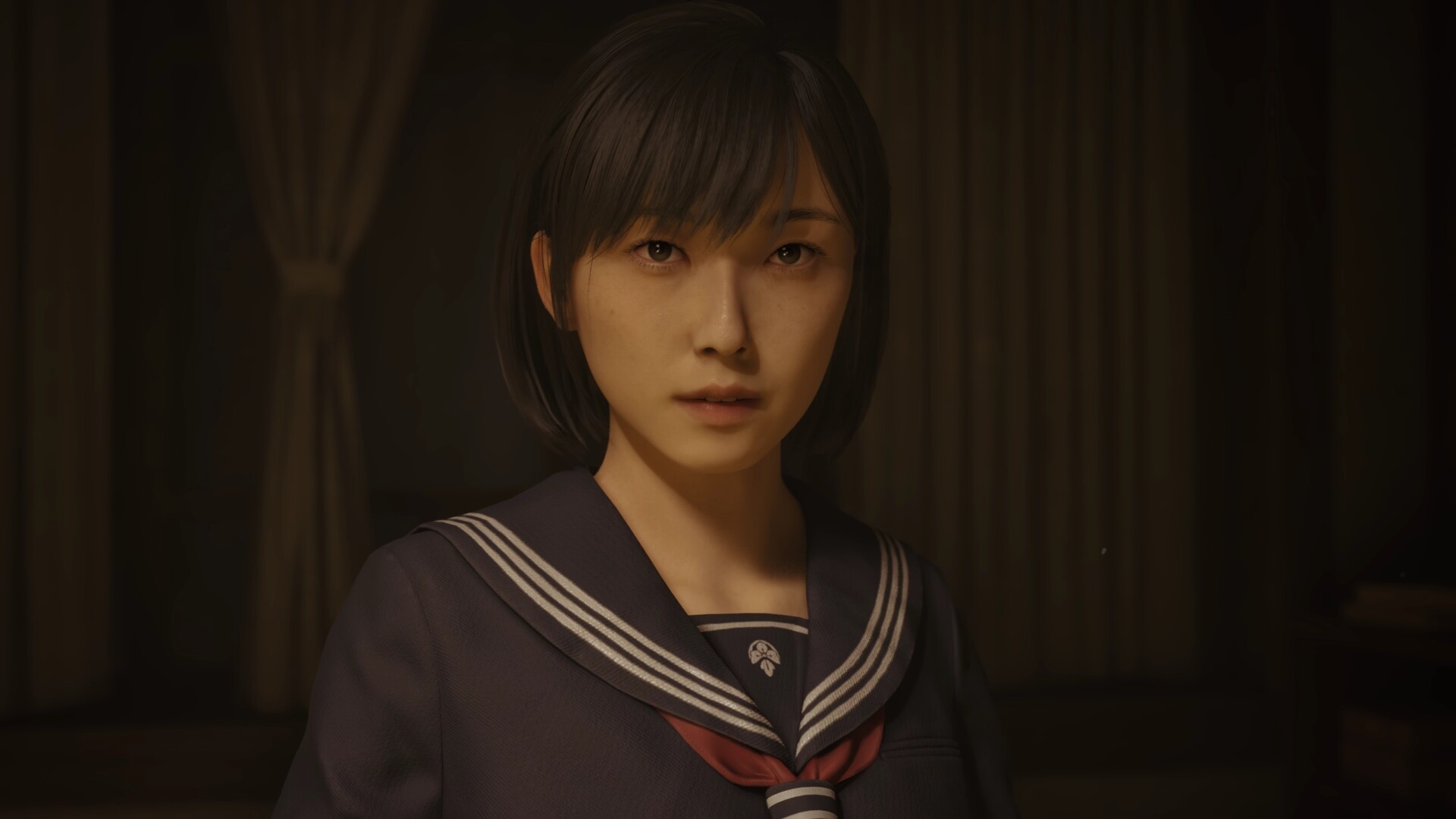
Silent Hill 2 (Remake)
Possibly, no horror remake has had more pressure than Silent Hill 2. The tension in the original is not due to the mechanics, but rather, the atmosphere and the psychological storytelling. The gloom and the melancholy are still there as Bloober's reimagining brings with it a beautifully designed environment that carefully maintains the oppressive fog.
The underlying themes concerning loss, psychological disintegration, and blame continue to remain. Even though the emotional aspects of the narrative still feel just as heartbreaking as before, some players might feel the modern presentation applies too much polish to the rougher, rawer portions of the narrative.
Bouts of fighting stand out as perhaps the most controversial aspect. The aim to modernize encounters still seems at odds with the sense of deliberate fragility that the original experience offered. Even so, the original is still honored and has been made accessible for a new generation with the right pacing, riddles, and ambiance.
The most ambitious of the franchise is Silent Hill F. It is set in the 1960s in Japan, and while the psychological framework in the narrative of the series is still present, it does depart from the more familiar locations. The atmosphere is in stark contrast with the rest of the series. It is more of a contrast with the rest of the series, comprising the sinister and parched locations with its calm, saturated, and greenish regions.
Front and center of the narrative is depth, analyzing themes of self-trauma and cultural expectation within society, along with excommunication and its personal ramifications. It does not center around direct fear, but instead slow, troubling exposure, which is juxtaposed in conjunction, forming a much more nauseating climax. To take a bold narrative risk is to gain a fresh perspective while simultaneously staying true to the core of the series.
The mechanics are minimal marine mechanics, unlike the sibling they are remaking, focusing more on the ability to voyage and the atmosphere rather than the advanced mechanics of battle. This helps the player stay in a state of near constant vulnerability and aligns nicely with the tone.
Silent Hill f shows the series is not only bound to nostalgia, but is also willing to take bold steps in redefining itself.
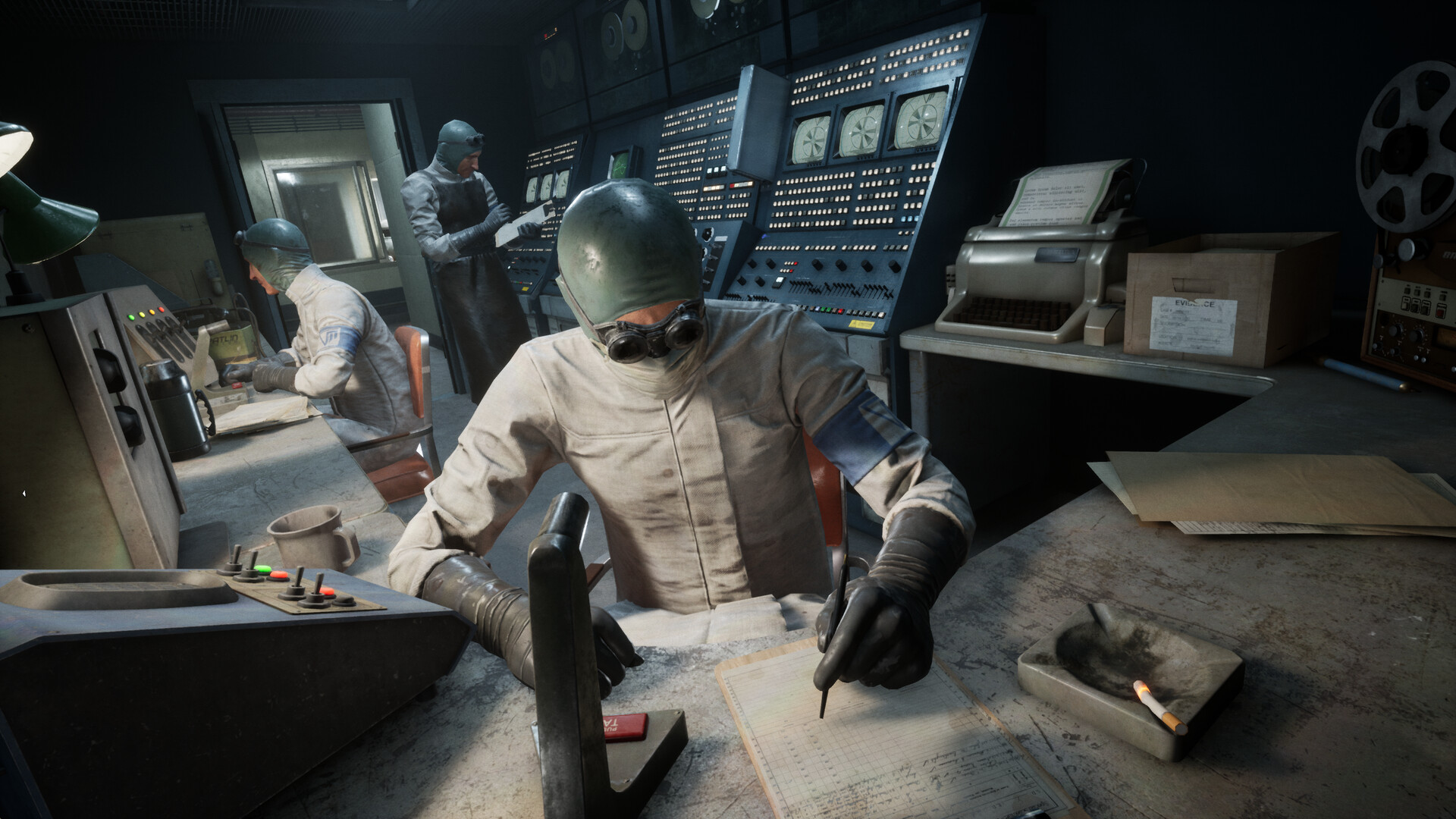
The Outlast Trials
The Outlast Trials opts for a different strategy, embracing the cooperative horror genre while still preserving the tension of its predecessors. The setting, marrying the Cold War with psychological experimentation, is unique, intertwining the era with survival horror mechanics. The game’s greatest achievement is in making cooperation feel both mandatory and perilous.
The atmosphere holds steady with the rest, still oppressive and deeply drenched in dread. The story, while more disjointed, still accomplishes something meaningful, concentrating on manipulation and the loss of autonomy. The game is commendable in the sense that its replay value is high, effectively designed as a collective experience with numerous objectives and outcomes.
The shift to a cooperative experience may be disconcerting for the purists, but the game serves as proof that horror can thrive in a cooperative setting and still maintain a strong impact.
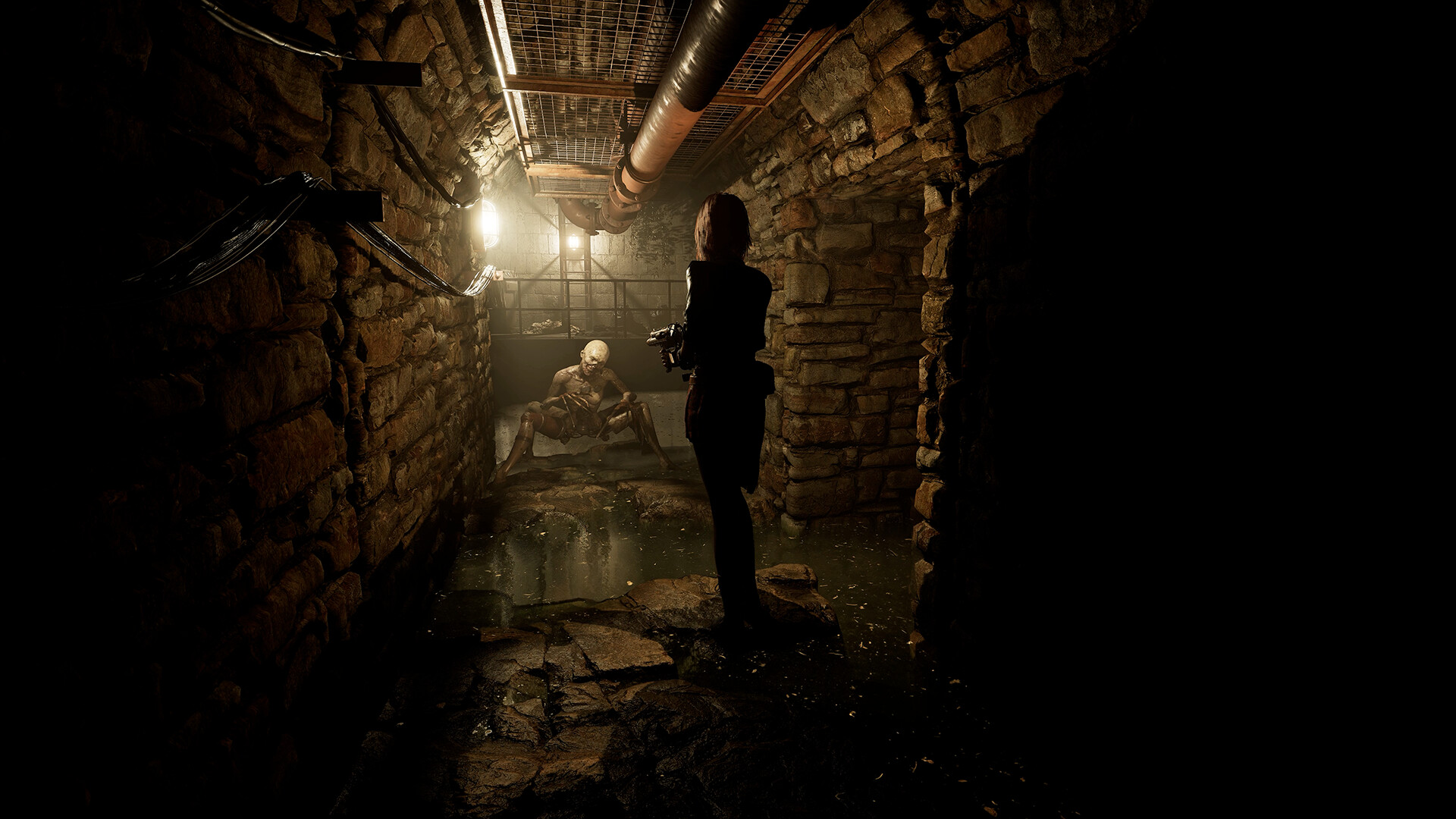
Tormented Souls 2
Like its predecessor, which caught everyone off guard, Tormented Souls 2 builds on its retro inspirations by retro-futurizing them with modern polish, as Tormented Souls 2 is reminiscent of the first in maintaining fixed camera angles, multi-syllable pacing, and retro-inventory quirks that nostalgically retrieve the gory days of survival cringe in gaming without being archaically fusty.
Its atmosphere feels gothic and dense, reveling in bizarre and monumentally oppressive architectural designs and unnerving puzzles. Its narrative is much deeper this time around as there is an added focus on character and motivation, which is a newer reasoning compared to the first. Though the original combat was more encumbering in Tormented Souls, combat will always remain styled vulnerability. More refined, though still divisive, anger combat feels in this title. Tormented Souls 2 is a much-wanted piece of nostalgia for those who long for the horror genre from the late 90s to early 2000s.
Until Dawn
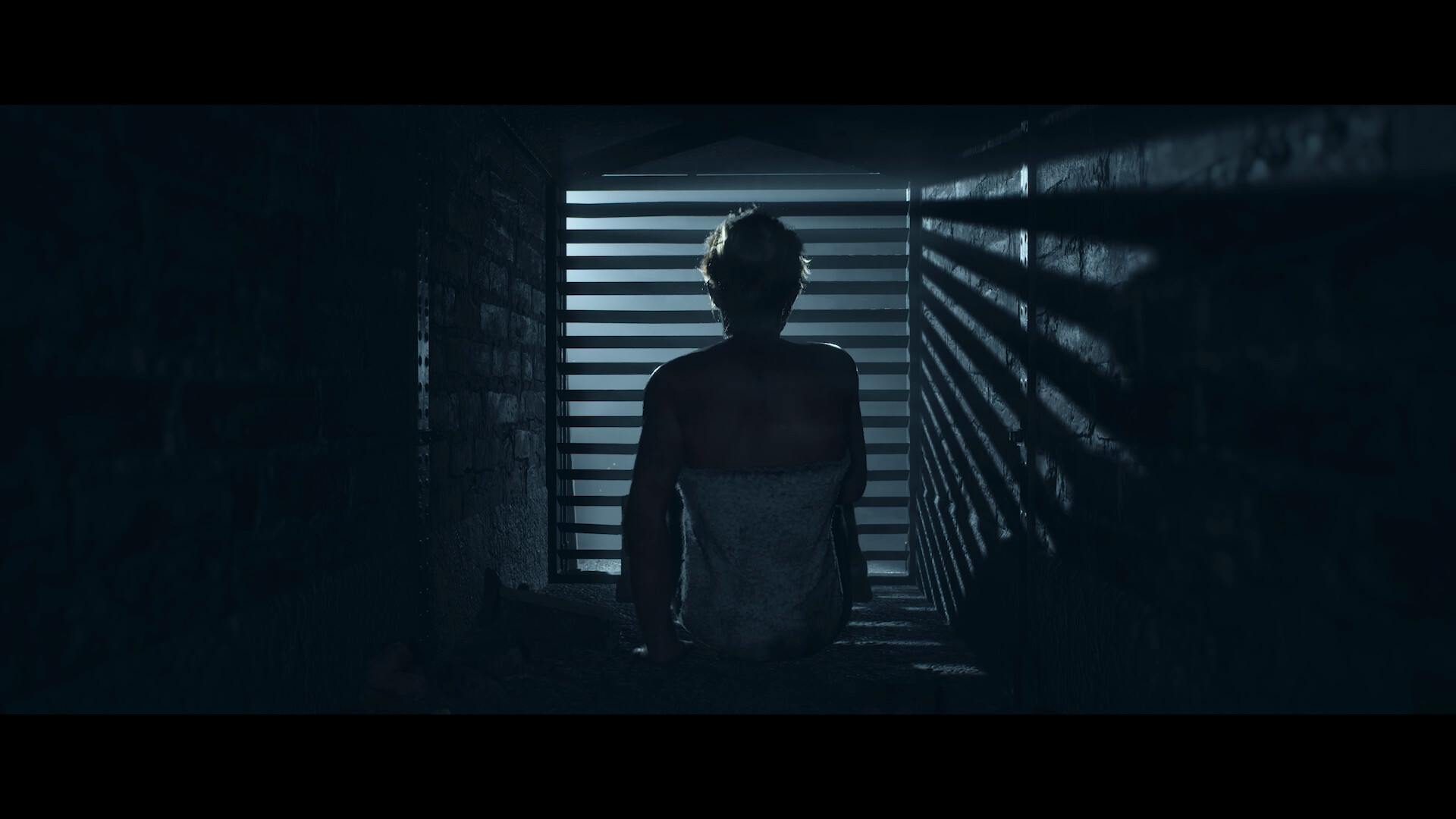
While not new, Until Dawn and its narrative still stands as a center of focus with added reasoning, it does not being abused but rather earned in modern times. It's justifiable for modern lineups. The branching nature of the game allows for different decisions, which makes the game unique on every playthrough, with its stills and series keeping it cinematic. The pour on the aged polish is graceful.
The strength of the real lies in its atmosphere and story, which emphasize the psychological aspects of the characters and their interactions more than the fight. It elevates the genre above the often seamy mechanics of scarcity and confrontation.
Although replay value is strong because of the multiple possible endings, pacing sometimes feels uneven in the longer stretches of dialogue-rich, cutscene-heavy segments. Still, it is among the best haunted interactive storytelling experiences.
Visage is a game that thrives on patience and player dexterity. Inspired by the infamous P.T., it is a psychological horror game that moves at an agonizingly slow pace. While the house setting is mundane, players must keep in mind that each creak of the floorboards and flicker of the light is heavily laden.
Instead of storytelling in a linear format, the game provides players with secrets that they must work to figure out. The intent is to drive the player to actually think and to immerse them in the horror they must sustain even outside the game.
Weak and unsupported, the player is less than a combatant and more of a pawn in the game. Pacing is a challenge for players in the genre, but replay value from hidden events and the whole scope of vanity and observations is immense.
Visage might not be suited for every player. For someone slow and drawn to ever-deepening dread and despair, it may serve as the best horror experience of the year.
Final Thoughts
This year’s collection of horror games showcases an impressive variety of ways to approach fear. The genre is not stagnant, as evidenced by remakes that pay tribute to classics like Silent Hill 2 and Resident Evil 4, as well as ambitious newcomers like Silent Hill f and Cronos: The New Dawn. Atmosphere and immersion remain the genre's lifeblood, and across these titles, it is apparent that developers are dynamic and forward-thinking while attempting to pay homage to the genre’s roots.
Mounted warfare is still an area of contention, and some titles venture too far into the action territory and lose the sense of vulnerability. Yet, as a whole, these games serve as proof that horror is still one of the most versatile and robust genres. There are slower psychological unease, retro survival mechanics, and cooperative terror all conveniently packed in this year’s selection.
Instead of focusing on the past, evolving the very essence of horror video games is the goal. This means retaining the stronger aspects, while permitting new varieties of dread to arise. This year distinctly indicates that the genre is not dead, and is, in fact, innovative and creatively restless.