CO2 Laser Treatment in Harrogate: How It Works, Recovery and What It Costs
Skin that has been marked by years of sun, acne or ageing can often be improved, and many people in Yorkshire ask the same early question: is laser resurfacing worth it, and what does it involve? Kliniken, the cosmetic surgery and skin clinic in Harrogate, explains CO2 laser treatment to patients at consultation, and this guide sets out the main points in plain English. It covers who the treatment may suit, how the procedure works, what recovery usually looks like and how to judge a clinic before you decide. Nothing here replaces a personal assessment, because the right plan depends on your skin, your health and your goals.
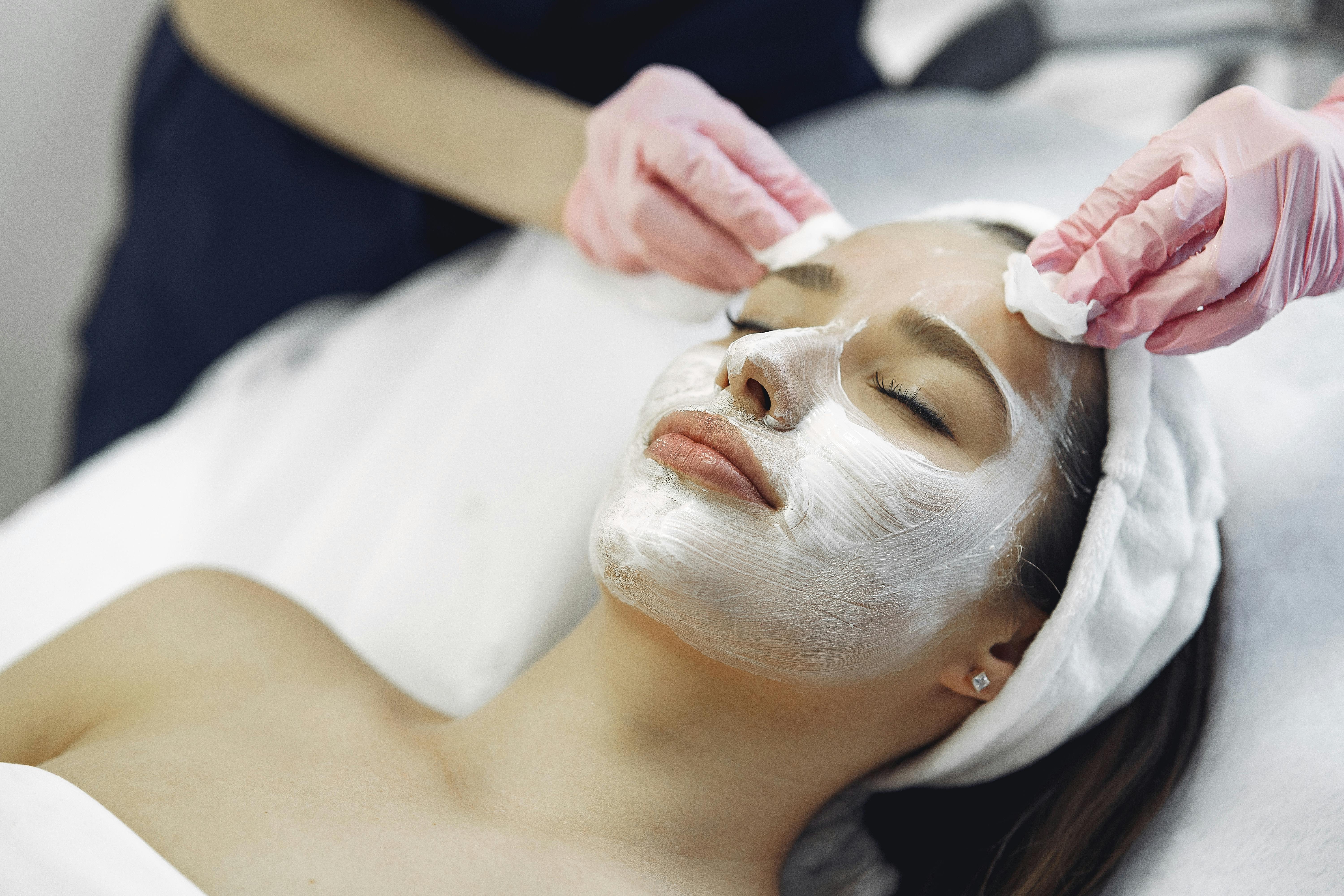
How CO2 Laser Treatment Works
A CO2 laser removes very thin layers of skin in a controlled way and heats the tissue beneath it. The body responds by repairing the surface and producing new collagen over the following weeks and months. Depending on the settings, the treatment can be ablative, which removes the surface layer, or fractional, which treats a pattern of tiny areas and leaves the skin between them intact so that healing is faster. Your practitioner chooses the depth and density according to what needs treating.
People are usually considered for CO2 laser treatment when they want to improve fine lines, uneven texture, sun damage, enlarged pores or certain types of scarring. It is not suitable for everyone. Darker skin tones carry a higher risk of pigment changes, some medical conditions and medicines affect healing, and recent tanning or active skin infections can mean treatment should wait. A careful consultation looks at your history, your skin type and your expectations before any plan is agreed.
The procedure itself is usually carried out with numbing cream or local anaesthetic. Treatment time depends on the area, and a full face takes longer than a smaller zone. Many patients describe a warm, prickling sensation during treatment and a feeling like sunburn afterwards. Your clinician will explain what to expect for your chosen settings and will give clear written aftercare instructions.
Recovery, Aftercare and Realistic Results
Recovery varies with the depth of treatment. After a lighter fractional session the skin may be pink and slightly rough for several days, with makeup possible after a short period if advised. After deeper ablative treatment, the skin can ooze, crust and feel tight for longer, and the redness may last for weeks. This is why it matters to plan the treatment around work, events and holidays rather than hoping to fit it into a spare weekend.
Aftercare is where much of the result is decided. Typical advice includes keeping the skin clean and moisturised, avoiding picking at any crusts, staying out of the sun, wearing a high-factor sunscreen every day and avoiding strong active ingredients until the clinic says it is safe to restart them. Follow the instructions exactly and contact the clinic early if something does not look right, such as increasing pain, spreading redness or signs of infection.
Results build gradually. Many people notice smoother texture and a fresher tone as the skin heals, and collagen continues to improve for several months. Some conditions need more than one session, and some marks respond better than others. A good clinic is honest about this and will not promise perfection. It will also explain risks such as temporary redness, pigment change, scarring and, rarely, infection, so that you can weigh them against the likely benefit.
Cost, Consultation and Choosing a Clinic
Price is a natural concern, and a fair quotation should be itemised. Our guide to CO2 laser cost explains what usually shapes the figure, including the area treated, the type of laser, the number of sessions and what is included in aftercare and follow-up. Ask whether the consultation fee is separate, whether review appointments are included and what happens if you need further treatment. A very low price is not always a bargain, and a very high one does not guarantee a better result, so compare what is actually included.
Look at the qualifications of the person who will treat you and ask who is responsible for your care if there is a problem. Ask to see before-and-after photographs of similar cases, and be wary of images that look heavily edited. A good clinic will allow time for questions, will not pressure you to book on the day and will be comfortable with you taking time to decide. You should leave the consultation understanding the plan, the risks, the likely recovery and the cost.
It also helps to understand how laser treatment fits alongside other options. Chemical peels, microneedling, injectables and surgical procedures each address different concerns, and a clinic that offers several of them can recommend the one that suits your goal rather than the one it happens to sell. Fine lines and surface texture often respond well to resurfacing, while deeper volume loss or loose skin may need a different approach altogether. Asking the clinician to explain why they favour one route over another is a good way to judge whether the advice is balanced.
Preparation before treatment matters as much as aftercare. Your clinician may ask you to stop certain products, avoid sun exposure and tanning beforehand, and in some cases to start a preparatory skincare routine. If you have a history of cold sores, you may be offered a preventative medicine, because laser treatment can trigger an outbreak. Tell the clinic about every medicine and supplement you take, since some affect bleeding, healing or sensitivity to light.
Plan the practical details too. Arrange a lift home if you have had a numbing procedure, keep a clean pillowcase and soft cleansing products ready, and take time off work if the treatment depth requires it. People who prepare their week in advance tend to feel calmer during healing and are less tempted to interfere with the skin before it is ready.
If scarring is your main concern, you may want to read how different options compare in our notes on laser scar removal in Harrogate, and our guide to acne scarring treatment explains how different scar types respond. For a general overview of what to expect at each stage, see CO2 laser resurfacing: what to expect.
Prepare for the consultation by listing your questions, your medical history, the medicines you take, any previous skin treatments and the outcome you hope for. Bring photographs of your skin at its best if you have them, and be honest about sun exposure, smoking and any history of cold sores, scarring or slow healing, because these details affect the plan. Ask what a realistic timeline looks like from the first appointment to the point where you can judge the final result.
If you would like to discuss treatment for your own skin, you can arrange a consultation through the Contact Us page, where the team can answer questions about suitability, recovery and cost before you decide.
Finally, give yourself time. Good decisions about cosmetic treatment are rarely rushed, and a calm conversation with a qualified clinician is the best starting point for a result you will be happy with.