Kliniken | Cosmetic Surgery and Skin Notes, Harrogate

Plain-English notes from Kliniken, the cosmetic surgery and skin clinic in Harrogate: https://kliniken.co.uk/ | Contact: https://kliniken.co.uk/contact/

Skin that has been marked by years of sun, acne or ageing can often be improved, and many people in Yorkshire ask the same early question: is laser resurfacing worth it, and what does it involve? Kliniken, the cosmetic surgery and skin clinic in Harrogate, explains CO2 laser treatment to patients at consultation, and this guide sets out the main points in plain English. It covers who the treatment may suit, how the procedure works, what recovery usually looks like and how to judge a clinic before you decide. Nothing here replaces a personal assessment, because the right plan depends on your skin, your health and your goals.
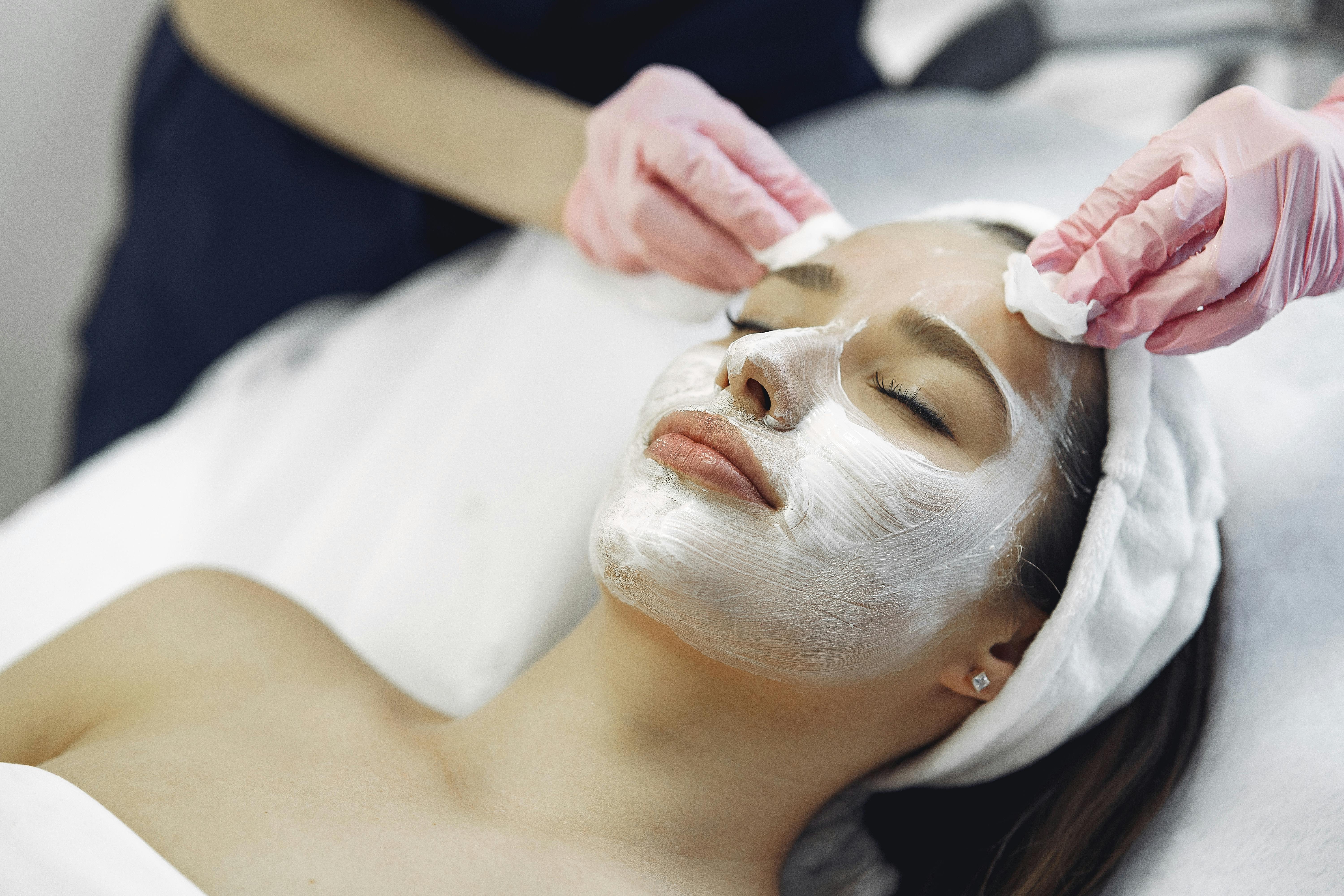
Patient discussing skin treatment options with a clinician

How CO2 Laser Treatment Works

A CO2 laser removes very thin layers of skin in a controlled way and heats the tissue beneath it. The body responds by repairing the surface and producing new collagen over the following weeks and months. Depending on the settings, the treatment can be ablative, which removes the surface layer, or fractional, which treats a pattern of tiny areas and leaves the skin between them intact so that healing is faster. Your practitioner chooses the depth and density according to what needs treating.

People are usually considered for CO2 laser treatment when they want to improve fine lines, uneven texture, sun damage, enlarged pores or certain types of scarring. It is not suitable for everyone. Darker skin tones carry a higher risk of pigment changes, some medical conditions and medicines affect healing, and recent tanning or active skin infections can mean treatment should wait. A careful consultation looks at your history, your skin type and your expectations before any plan is agreed.

The procedure itself is usually carried out with numbing cream or local anaesthetic. Treatment time depends on the area, and a full face takes longer than a smaller zone. Many patients describe a warm, prickling sensation during treatment and a feeling like sunburn afterwards. Your clinician will explain what to expect for your chosen settings and will give clear written aftercare instructions.

Recovery, Aftercare and Realistic Results

Recovery varies with the depth of treatment. After a lighter fractional session the skin may be pink and slightly rough for several days, with makeup possible after a short period if advised. After deeper ablative treatment, the skin can ooze, crust and feel tight for longer, and the redness may last for weeks. This is why it matters to plan the treatment around work, events and holidays rather than hoping to fit it into a spare weekend.

Aftercare is where much of the result is decided. Typical advice includes keeping the skin clean and moisturised, avoiding picking at any crusts, staying out of the sun, wearing a high-factor sunscreen every day and avoiding strong active ingredients until the clinic says it is safe to restart them. Follow the instructions exactly and contact the clinic early if something does not look right, such as increasing pain, spreading redness or signs of infection.

Results build gradually. Many people notice smoother texture and a fresher tone as the skin heals, and collagen continues to improve for several months. Some conditions need more than one session, and some marks respond better than others. A good clinic is honest about this and will not promise perfection. It will also explain risks such as temporary redness, pigment change, scarring and, rarely, infection, so that you can weigh them against the likely benefit.

Cost, Consultation and Choosing a Clinic

Price is a natural concern, and a fair quotation should be itemised. Our guide to CO2 laser cost explains what usually shapes the figure, including the area treated, the type of laser, the number of sessions and what is included in aftercare and follow-up. Ask whether the consultation fee is separate, whether review appointments are included and what happens if you need further treatment. A very low price is not always a bargain, and a very high one does not guarantee a better result, so compare what is actually included.

Look at the qualifications of the person who will treat you and ask who is responsible for your care if there is a problem. Ask to see before-and-after photographs of similar cases, and be wary of images that look heavily edited. A good clinic will allow time for questions, will not pressure you to book on the day and will be comfortable with you taking time to decide. You should leave the consultation understanding the plan, the risks, the likely recovery and the cost.

It also helps to understand how laser treatment fits alongside other options. Chemical peels, microneedling, injectables and surgical procedures each address different concerns, and a clinic that offers several of them can recommend the one that suits your goal rather than the one it happens to sell. Fine lines and surface texture often respond well to resurfacing, while deeper volume loss or loose skin may need a different approach altogether. Asking the clinician to explain why they favour one route over another is a good way to judge whether the advice is balanced.

Preparation before treatment matters as much as aftercare. Your clinician may ask you to stop certain products, avoid sun exposure and tanning beforehand, and in some cases to start a preparatory skincare routine. If you have a history of cold sores, you may be offered a preventative medicine, because laser treatment can trigger an outbreak. Tell the clinic about every medicine and supplement you take, since some affect bleeding, healing or sensitivity to light.

Plan the practical details too. Arrange a lift home if you have had a numbing procedure, keep a clean pillowcase and soft cleansing products ready, and take time off work if the treatment depth requires it. People who prepare their week in advance tend to feel calmer during healing and are less tempted to interfere with the skin before it is ready.

If scarring is your main concern, you may want to read how different options compare in our notes on laser scar removal in Harrogate, and our guide to acne scarring treatment explains how different scar types respond. For a general overview of what to expect at each stage, see CO2 laser resurfacing: what to expect.

Prepare for the consultation by listing your questions, your medical history, the medicines you take, any previous skin treatments and the outcome you hope for. Bring photographs of your skin at its best if you have them, and be honest about sun exposure, smoking and any history of cold sores, scarring or slow healing, because these details affect the plan. Ask what a realistic timeline looks like from the first appointment to the point where you can judge the final result.

If you would like to discuss treatment for your own skin, you can arrange a consultation through the Contact Us page, where the team can answer questions about suitability, recovery and cost before you decide.

Finally, give yourself time. Good decisions about cosmetic treatment are rarely rushed, and a calm conversation with a qualified clinician is the best starting point for a result you will be happy with.

Liposuction cannula set used in body contouring surgery

Image: “Liposuction Cannula Set”, Wikimedia Commons, CC BY-SA 4.0.

Stubborn fat that survives diet and exercise is one of the most common reasons people book a body contouring consultation. At Kliniken, the cosmetic surgery clinic in Harrogate, liposuction is often the first procedure patients ask about, yet it is not always the right one. Liposuction removes fat; it does not remove loose skin or repair stretched abdominal muscle. Understanding that difference is what separates a result you are pleased with from a disappointing one.

What liposuction can and cannot do

Liposuction reshapes areas where localised fat deposits sit out of proportion with the rest of the body, typically the abdomen, flanks, thighs, upper arms and under the chin. Thin tubes called cannulae are passed through small incisions to break up and withdraw fat, and the contour is refined as the surgeon works. It suits people who are close to a stable, healthy weight and whose skin still has reasonable elasticity.

What it cannot do is tighten skin that has been stretched by pregnancy or significant weight loss, and it is not a weight-loss treatment. Removing too much in one area, or treating skin that cannot retract, can leave an uneven or loose finish. A careful assessment of skin quality is therefore as important as measuring the fat itself.

Technique matters too. Tumescent liposuction, where the area is filled with a dilute anaesthetic solution before fat is removed, is widely used because it limits bleeding and bruising. Your surgeon should explain which approach they propose, how much fat they expect to remove safely in one session and why. Realistic limits exist, and a surgeon who respects them is protecting your safety as well as your result.

When a tummy tuck is the better fit

If the main concern is a loose lower abdomen, a stretched apron of skin or a bulge that persists however fit you are, the cause is often separated abdominal muscle and excess skin rather than fat alone. Abdominoplasty addresses both: the muscle wall is tightened, surplus skin is removed and the scar is placed low, where it can usually be hidden by underwear. Some patients have a tummy tuck combined with liposuction of the waist and flanks to refine the overall outline.

The honest question to ask yourself is whether you can pinch a thick layer of fat, or whether the tissue feels loose and thin. The first points towards liposuction; the second points towards surgery that tightens as well as contours.

Recovery and what to expect

Recovery differs considerably between the two. After liposuction most people expect bruising and swelling for a couple of weeks, a compression garment for several weeks and a return to desk work within about a week, with exercise reintroduced gradually. A tummy tuck is a larger operation. Expect a longer period of restricted movement, a longer garment period and several weeks before you feel fully yourself. In both cases the final shape emerges slowly, because swelling can take months to settle completely.

Following your surgeon's aftercare instructions closely, avoiding smoking and keeping your weight stable are the factors that most protect the result.

Many patients are surprised by how much the early weeks feel like a test of patience. Numbness, tightness and uneven swelling are all normal and usually fade, but they can make the first look in the mirror misleading. Gentle walking from the first day, good hydration and attending every review appointment help the healing process and let your surgeon catch any problem early. It is also sensible to plan practical help at home for the first few days, especially after abdominal surgery.

What affects the cost

Fees depend on the number of areas treated, the technique used, the length of the operation, anaesthetic and facility charges, and the follow-up care included. When you compare quotes, make sure each one states what is covered. If abdominal surgery is on your shortlist, reading about the typical tummy tuck cost in the UK and what the price includes will help you compare like with like. The same principle applies across cosmetic treatments, and Kliniken's earlier notes on what affects the cost of CO2 laser skin resurfacing show how a headline price breaks down once you look at sessions, settings and aftercare.

A very low quote is worth questioning. Ask who performs the procedure, where it takes place and what happens if you need a revision.

Looking after the skin as well as the shape

Even a well-judged body contouring result benefits from healthy, resilient skin. Where texture, scarring or sun damage is the real worry rather than volume, a different approach is called for, and our walk-through of what to expect from CO2 laser resurfacing explains how that treatment is planned and how the skin recovers. Treating the skin and the shape as separate questions usually leads to better decisions about each.

Combining procedures

Patients who have completed a family or lost a lot of weight sometimes want several areas addressed at once. A common pairing is abdominal surgery alongside a breast uplift, which restores the chest contour that pregnancy and weight change can alter. Combining operations can reduce overall recovery time compared with doing them separately, but it also lengthens the time under anaesthetic, so your surgeon will advise whether it is sensible in your case. Read more about breast uplift if you want to see how that procedure is approached.

Questions worth asking before you commit

Good consultations are conversations, not sales pitches. Ask which technique is proposed and why, how many similar procedures your surgeon performs, what the scars will look like, what realistic results look like for your body, and what the plan is if something does not go as expected. If you are also weighing up chest surgery, this guide to choosing between a breast uplift, implants or both shows the kind of questions a thorough assessment should cover.

Whichever route suits you, take your time, ask for everything in writing and make sure you feel heard. If you would like to talk through your options, you can contact the Kliniken team to arrange a consultation in Harrogate.

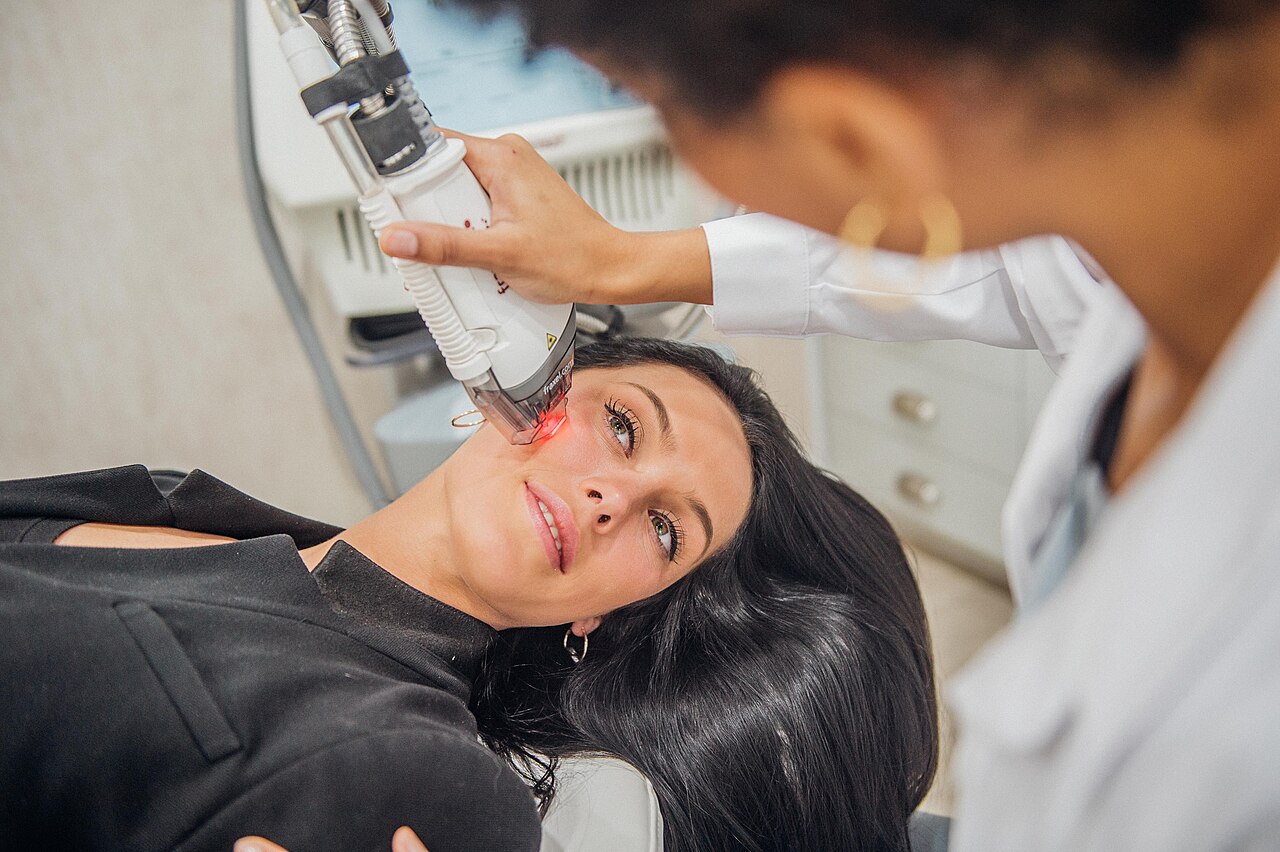
Laser skin resurfacing being performed by a doctor

If you are weighing up a fractional CO2 laser against a fully ablative treatment, you are really choosing between two trade-offs: how much improvement you want to see, and how much recovery time you can realistically give it. Both use the same carbon dioxide wavelength, and both work by removing controlled amounts of damaged skin so that fresh collagen can form. What differs is how much surface they treat in a single session and how the skin heals afterwards.

What the CO2 wavelength actually does

A CO2 laser delivers energy that is absorbed strongly by water in the skin. That energy vaporises a thin layer of tissue and heats the layers beneath it, which prompts the skin to tighten and to lay down new collagen over the following weeks and months. This is why the technology has stayed a reference standard for acne scarring, deeper lines, sun damage and uneven texture for many years, and why results tend to continue improving well after the redness has settled.

How fractional treatment works

With a fractional device, the beam is split into thousands of microscopic columns. Small islands of untouched skin are left between each column, and these act as a reservoir that speeds up healing. Because only a proportion of the surface is treated at once, downtime is shorter, typically several days of redness, swelling and a rough, sandpaper feel before the skin settles. The compromise is that improvement is usually built across more than one session, spaced a few weeks apart.

Fractional treatment tends to suit people who want a visible refresh of fine lines, mild scarring or dull texture without stepping away from work or social plans for long.

How fully ablative treatment differs

A fully ablative pass treats the entire surface in one go and reaches further into the skin. That gives the most dramatic single-session change, particularly for deeper wrinkles, established acne scars and significant sun damage. It also means a longer and more demanding recovery: the skin is raw at first, needs careful wound care, and can stay pink for weeks. It is a stronger procedure, and it is not the right answer for everyone.

Which one is right for you?

The choice usually comes down to a handful of practical questions: how deep the concern is, how much recovery time you can spare, your skin tone and history of pigmentation, and any medication or sun exposure that could affect healing. A consultant-led assessment matters here because the settings, depth and number of sessions are tailored to the individual rather than chosen from a menu. If you would like to see the two approaches compared side by side, Kliniken sets out fractional CO2 laser versus fully ablative treatment in plain terms, including who each option tends to suit.

Preparing for treatment and recovering well

Whichever route you take, preparation and aftercare have a large bearing on the outcome. In the weeks beforehand, avoid tanning and strong exfoliating products, and tell your clinician about cold sores, previous scarring tendencies and any skin medication. Afterwards, expect gentle cleansing, a simple barrier moisturiser and strict sun protection to be the core of your routine. Picking at flaking skin, returning to active ingredients too early or skipping sunscreen are the most common ways people compromise a good result.

Recovery is also where realistic expectations pay off. Swelling peaks in the first two or three days, colour fades gradually, and collagen remodelling carries on for several months. Judging the result at week one rarely tells you much; the skin looks its best once the healing process has fully run its course.

Who may need to think twice

Laser resurfacing is not suitable for every skin. Recent sun exposure, a tendency to pigment easily, active infection or cold sores, and certain medications can all change the advice a clinician gives you. Darker skin tones carry a higher risk of pigment change, so treatment settings and preparation need particular care. Being open about your history at consultation is what allows the treatment to be planned safely, and a good clinic will tell you plainly if another approach would serve you better.

Setting expectations for results

Fractional treatment builds change gradually, so a course of sessions is common, and most people notice smoother texture and a fresher tone as collagen remodels over the following months. Fully ablative treatment shows a bigger step change after one session, but you are trading that for a longer recovery. Neither is a substitute for surgery where laxity is the main concern, and neither will stop the skin ageing. What they can do well is soften texture, scarring and sun-related change, and a sensible maintenance routine helps protect the result afterwards.

Many people also underestimate the value of a proper skin-care plan alongside the laser itself. Gentle cleansing, daily sunscreen and, once your clinician agrees, a suitable maintenance routine all help protect the collagen you have just encouraged the skin to build.

Cost, follow-up and planning ahead

Fees vary with the area treated, the device and the number of sessions, so it helps to ask for a written quote that explains what is included, including consultation, aftercare products and any review appointments. Plan your treatment around a quieter period, arrange time off if you need it, and avoid booking ahead of a major event. Building in a follow-up review lets your clinician check healing and decide whether a further session is worthwhile.

Questions worth asking before you book

Ask who will perform the treatment and how many similar procedures they carry out. Ask which device and settings they propose and why, what the realistic recovery looks like for your skin, and how many sessions they expect you to need. Clear answers, a proper skin assessment and a transparent fee explanation are good signs; pressure to commit on the day is not.

If you would like to talk through your own skin and which option fits, you can contact the Kliniken team to arrange a consultation in Harrogate.