Fractional CO2 Laser or Fully Ablative? How to Choose the Right Skin Resurfacing
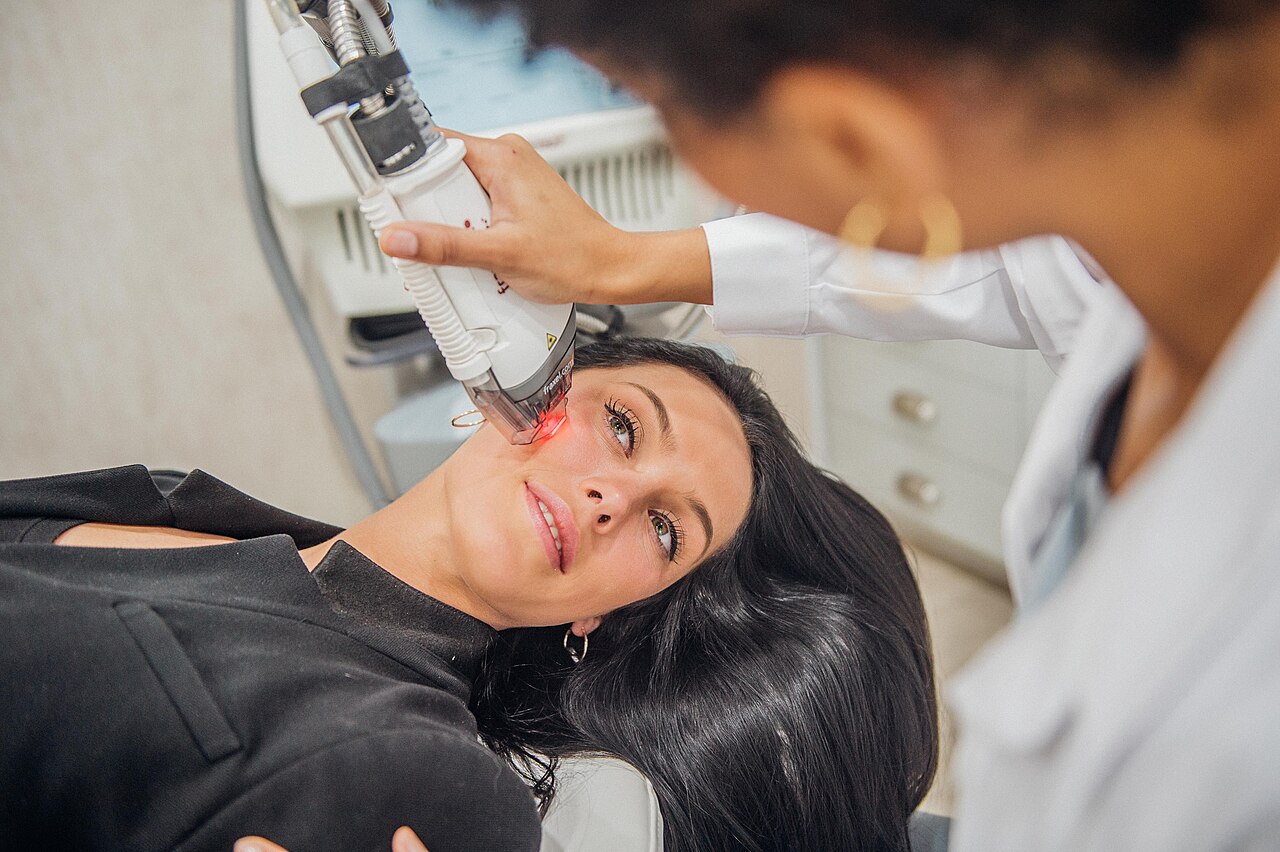
If you are weighing up a fractional CO2 laser against a fully ablative treatment, you are really choosing between two trade-offs: how much improvement you want to see, and how much recovery time you can realistically give it. Both use the same carbon dioxide wavelength, and both work by removing controlled amounts of damaged skin so that fresh collagen can form. What differs is how much surface they treat in a single session and how the skin heals afterwards.
What the CO2 wavelength actually does
A CO2 laser delivers energy that is absorbed strongly by water in the skin. That energy vaporises a thin layer of tissue and heats the layers beneath it, which prompts the skin to tighten and to lay down new collagen over the following weeks and months. This is why the technology has stayed a reference standard for acne scarring, deeper lines, sun damage and uneven texture for many years, and why results tend to continue improving well after the redness has settled.
How fractional treatment works
With a fractional device, the beam is split into thousands of microscopic columns. Small islands of untouched skin are left between each column, and these act as a reservoir that speeds up healing. Because only a proportion of the surface is treated at once, downtime is shorter, typically several days of redness, swelling and a rough, sandpaper feel before the skin settles. The compromise is that improvement is usually built across more than one session, spaced a few weeks apart.
Fractional treatment tends to suit people who want a visible refresh of fine lines, mild scarring or dull texture without stepping away from work or social plans for long.
How fully ablative treatment differs
A fully ablative pass treats the entire surface in one go and reaches further into the skin. That gives the most dramatic single-session change, particularly for deeper wrinkles, established acne scars and significant sun damage. It also means a longer and more demanding recovery: the skin is raw at first, needs careful wound care, and can stay pink for weeks. It is a stronger procedure, and it is not the right answer for everyone.
Which one is right for you?
The choice usually comes down to a handful of practical questions: how deep the concern is, how much recovery time you can spare, your skin tone and history of pigmentation, and any medication or sun exposure that could affect healing. A consultant-led assessment matters here because the settings, depth and number of sessions are tailored to the individual rather than chosen from a menu. If you would like to see the two approaches compared side by side, Kliniken sets out fractional CO2 laser versus fully ablative treatment in plain terms, including who each option tends to suit.
Preparing for treatment and recovering well
Whichever route you take, preparation and aftercare have a large bearing on the outcome. In the weeks beforehand, avoid tanning and strong exfoliating products, and tell your clinician about cold sores, previous scarring tendencies and any skin medication. Afterwards, expect gentle cleansing, a simple barrier moisturiser and strict sun protection to be the core of your routine. Picking at flaking skin, returning to active ingredients too early or skipping sunscreen are the most common ways people compromise a good result.
Recovery is also where realistic expectations pay off. Swelling peaks in the first two or three days, colour fades gradually, and collagen remodelling carries on for several months. Judging the result at week one rarely tells you much; the skin looks its best once the healing process has fully run its course.
Who may need to think twice
Laser resurfacing is not suitable for every skin. Recent sun exposure, a tendency to pigment easily, active infection or cold sores, and certain medications can all change the advice a clinician gives you. Darker skin tones carry a higher risk of pigment change, so treatment settings and preparation need particular care. Being open about your history at consultation is what allows the treatment to be planned safely, and a good clinic will tell you plainly if another approach would serve you better.
Setting expectations for results
Fractional treatment builds change gradually, so a course of sessions is common, and most people notice smoother texture and a fresher tone as collagen remodels over the following months. Fully ablative treatment shows a bigger step change after one session, but you are trading that for a longer recovery. Neither is a substitute for surgery where laxity is the main concern, and neither will stop the skin ageing. What they can do well is soften texture, scarring and sun-related change, and a sensible maintenance routine helps protect the result afterwards.
Many people also underestimate the value of a proper skin-care plan alongside the laser itself. Gentle cleansing, daily sunscreen and, once your clinician agrees, a suitable maintenance routine all help protect the collagen you have just encouraged the skin to build.
Cost, follow-up and planning ahead
Fees vary with the area treated, the device and the number of sessions, so it helps to ask for a written quote that explains what is included, including consultation, aftercare products and any review appointments. Plan your treatment around a quieter period, arrange time off if you need it, and avoid booking ahead of a major event. Building in a follow-up review lets your clinician check healing and decide whether a further session is worthwhile.
Questions worth asking before you book
Ask who will perform the treatment and how many similar procedures they carry out. Ask which device and settings they propose and why, what the realistic recovery looks like for your skin, and how many sessions they expect you to need. Clear answers, a proper skin assessment and a transparent fee explanation are good signs; pressure to commit on the day is not.
If you would like to talk through your own skin and which option fits, you can contact the Kliniken team to arrange a consultation in Harrogate.