What Portland Landlords Should Know About Lease Renewals and Rent Adjustments
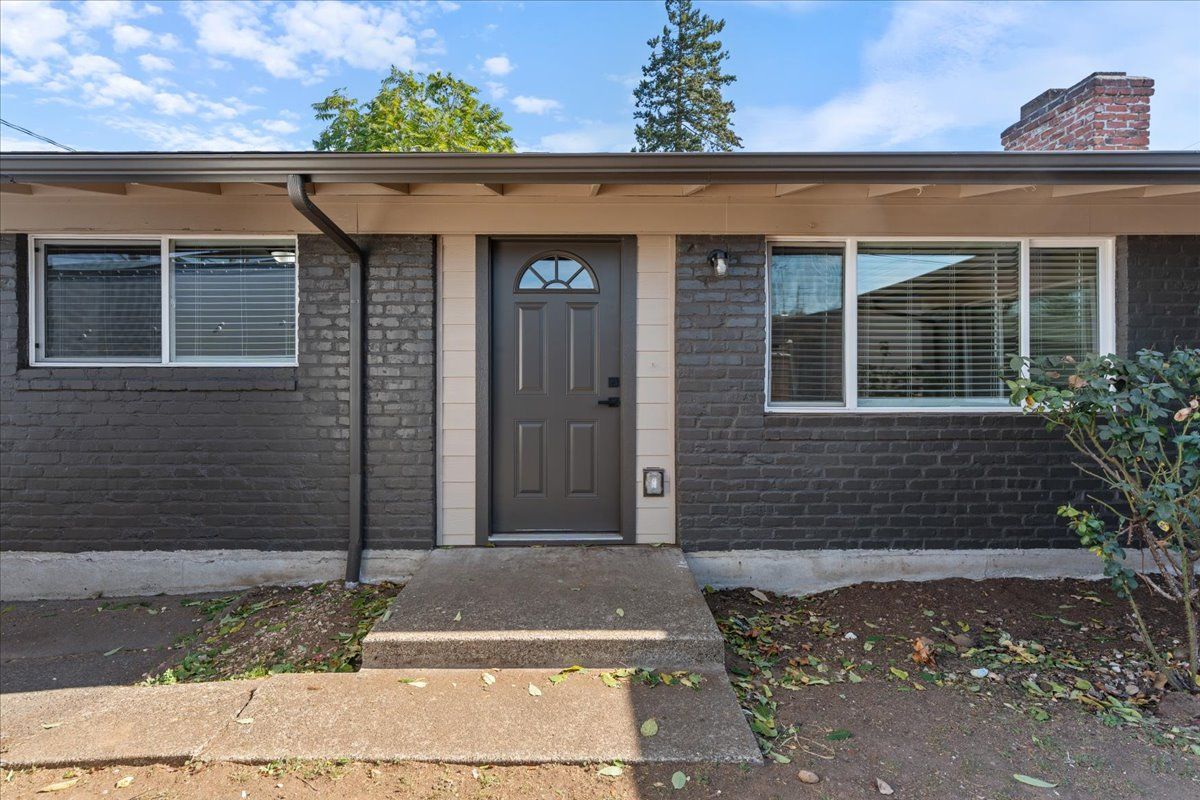
Lease renewals are an important part of managing a rental property.
When a lease approaches its end date, owners may need to evaluate rental pricing, review the condition of the property, and communicate with residents about future arrangements.
However, renewing a tenancy involves more than deciding whether to increase rent.
In Oregon, state and local requirements can influence how landlords handle lease terms, rent changes, and tenancy continuation.
Understanding these considerations can help Portland landlords approach renewals more carefully.
Why Lease Renewal Planning Matters
An organized renewal process gives owners and residents time to consider their options.
For landlords, it provides an opportunity to assess the property's performance and upcoming maintenance needs.
For residents, early communication can provide greater clarity about their housing arrangements.
Poor planning may result in confusion, avoidable vacancy, or disputes about the terms of a tenancy.
1. Review the Existing Rental Agreement
Before proposing changes, examine the current lease.
Consider the rental term, applicable notices, payment responsibilities, and any relevant renewal provisions.
Not all fixed-term agreements can simply be changed or ended when the stated term expires.
Oregon law provides important protections concerning the continuation and termination of residential tenancies.
2. Evaluate Current Market Conditions
Rental prices can change over time.
Compare the property with similar homes in the same area.
Relevant factors include location, size, condition, and amenities.
However, market conditions do not override legal restrictions on rent increases.
3. Understand Oregon Rent Increase Rules
Oregon generally restricts rent increases during the first year of most residential tenancies.
For many tenancies after the first year, landlords must provide at least 90 days' written notice before an increase.
The applicable annual increase limit for 2026 is generally 9.5%, subject to statutory exemptions and other conditions.
Properties within Portland may also be subject to additional local requirements.
Landlords should verify current rules before issuing a notice.
4. Consider the Value of Resident Retention
Keeping a suitable long-term resident may reduce turnover-related expenses.
These can include cleaning, repairs, marketing, vacancy, and lease preparation.
However, retention decisions should remain grounded in lawful practices and the actual needs of the property.
5. Communicate Clearly
Residents should receive accurate information about proposed terms and relevant deadlines.
Written communication helps avoid misunderstandings.
When a change requires formal notice, landlords must follow the applicable legal procedure.
Lease Renewal Planning Checklist
| Area | What to review |
|---|---|
| Lease | Current terms and applicable law |
| Rent | Market pricing and legal limits |
| Resident communication | Notice and information requirements |
| Maintenance | Upcoming repairs |
| Financial impact | Retention versus turnover costs |
| Documentation | Agreements and notices |
6. Plan for Maintenance Before Renewal
Some repairs or upgrades may be easier to schedule when a lease renewal is approaching.
Discuss access arrangements with residents and provide notices as required.
Routine maintenance obligations continue regardless of whether a tenancy is being renewed.
Lease Renewal Support From KJK Properties
KJK Properties PC provides property management services for Portland landlords.
Its residential property management services include reviewing rental market conditions, resident history, and renewal arrangements.
The company also coordinates lease administration and property upkeep.
Frequently Asked Questions
1. Can a Portland landlord increase rent at every renewal?
Not necessarily. Oregon and Portland requirements may restrict the timing and amount of increases.
2. Does a lease automatically end on its expiration date?
Not always. Tenancy continuation and termination depend on applicable law and circumstances.
3. Should landlords compare current rental prices before renewal?
Yes. Market comparisons can support informed pricing decisions within legal limits.
Conclusion
Lease renewal planning involves balancing property performance, resident communication, and legal responsibilities.
A structured process can help landlords make informed decisions while reducing avoidable confusion.
Explore KJK Properties' Portland rental management services to discuss your leasing needs.
This article provides general information, not legal advice. Verify current Oregon and Portland rental rules before taking action.