Komuravelli Mallanna Swamy Temple: Pilgrim Guide and Rituals
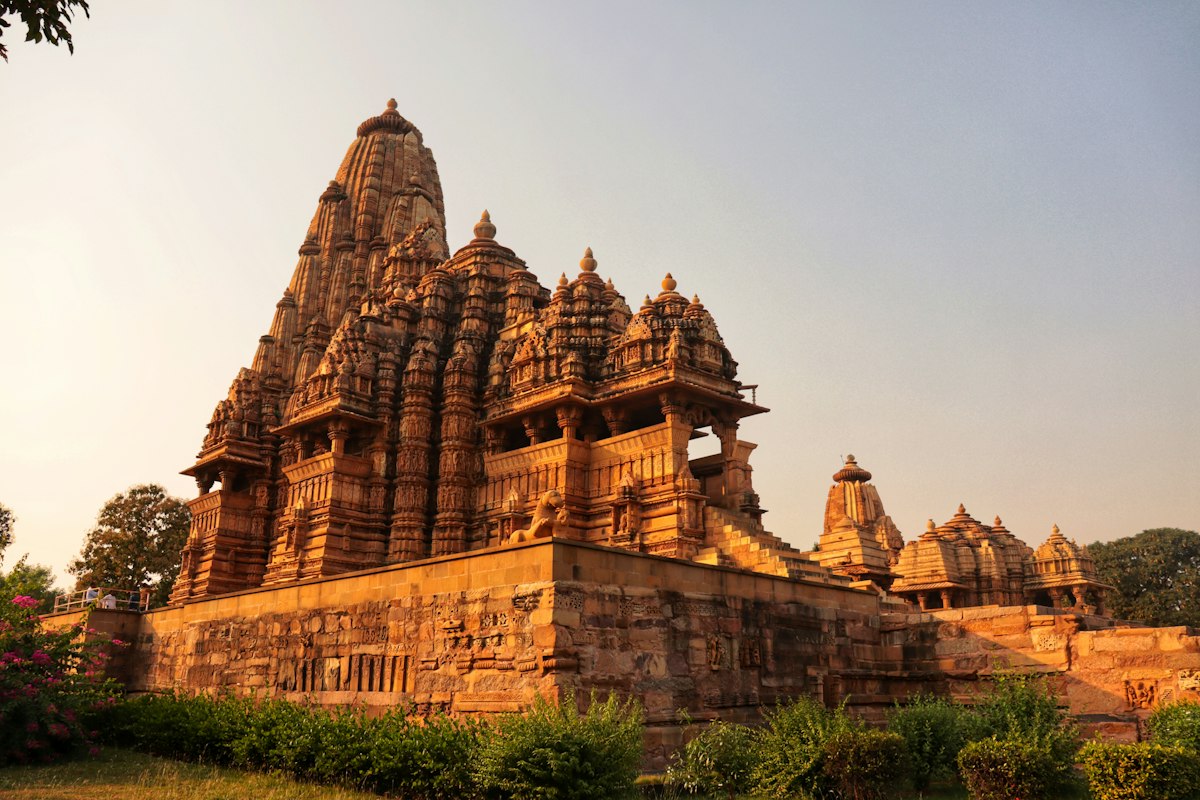
On a hill in Siddipet district, roughly 85 kilometres from Hyderabad, there is a temple where the god is worshipped less as a distant deity and more as an elder of the family. At Our Temples, we regard the Komuravelli Mallanna Swamy Temple as one of the most culturally rich Shaivite pilgrimages in Telangana, and this guide explains who Mallanna is, what the key rituals mean, which festivals shape the temple calendar, and how to reach it comfortably.
About the Komuravelli Mallanna Swamy Temple
The temple stands on a scenic hill at Komuravelli village, on the Rajiv Rahadari (SH-1) towards Karimnagar. It is dedicated to Lord Mallanna, also called Mallikarjuna Swamy, a powerful form of Shiva who is revered as Khandoba by devotees in Maharashtra. That shared devotion explains why you will meet pilgrims from several states, especially in the festival season.
One detail surprises first-time visitors. In most Shiva temples the deity is worshipped as a lingam, but here the presiding deity is a tall swayambhu clay idol, described in our listing as eight feet high and believed to have emerged from an ant-hill. The idol is periodically repainted with turmeric and natural colours, which preserves its fierce yet protective appearance. Alongside Mallanna, the complex honours his consorts Golla Kethamma, Goddess Ganga, Medalamma and Goddess Parvati. Together they are said to represent the pastoral, agrarian and trading communities, which is why many devotees see the temple as a symbol of social harmony.
Because Mallanna is regarded as a protector of livestock and a guardian of the family, many devotees come with simple, personal requests, from the health of their cattle to the wellbeing of a household. It is that everyday, village-level character that makes the temple feel so different from a grand, formal shrine. If you visit with an open mind and a willingness to listen, you will probably leave with a better sense of how living tradition works in rural Telangana.
Rituals and traditions you may see
The spiritual life of the temple is carried by Oggu Katha, a folk storytelling and singing tradition native to Telangana. There is no written scripture narrating the story of Mallanna, so the legend lives through oral performance. According to Oggu Katha, Mallanna married Medalamma, also known as Bramarambika, after fulfilling the challenging conditions set by her brothers. Hearing it performed, with rhythm and song, is a memorable part of a visit if you happen to be there on the right day.
The best-known ritual is the Patnam, an intricate rangoli offering drawn by the Oggu Pujaris inside the sanctum and in the verandah as part of devotional worship. Our listing also mentions Abhishekam, Rudrabhishekam, Nitya Kalyanam and the morning and evening aarti. If you want to book a particular seva, ask at the temple counter and confirm current arrangements on the day, because details and offerings can change.
Festivals: Mallanna Jatara and the Maha Shivaratri peak
The festival season, known as the Mallanna Jatara, runs for about three months. According to our listing, the celebrations begin on the first Sunday after Makara Sankranti and continue until Ugadi. Sundays during this period are considered highly auspicious, and each one feels like a mini festival, with thousands of devotees arriving from neighbouring states.
Two moments stand out. On Maha Shivaratri, a massive Pedda Patnam is drawn, and our listing mentions that more than two to three lakh pilgrims gather for it. On the Sunday before Ugadi, devotees take part in Agni Gundaalu, walking across a bed of hot coals as an expression of devotion. Ugadi marks the conclusion of the Jatara. If you prefer a quieter visit, avoid these dates and choose a weekday outside the Jatara, when the hill feels far calmer.
Timings, travel and practical planning
Our listing gives the daily timings as 4:30 AM to 12:00 PM and 3:30 PM to 8:30 PM. Dress is traditional, and parking is available. From Hyderabad the road is the Rajiv Rahadari (SH-1), and the drive takes roughly two hours. TSRTC buses run from Jubilee Bus Station and MGBS, and from Siddipet, about 22 kilometres away, you will find frequent local buses and autos. Warangal is around 110 kilometres by the Jangaon road.
By rail, Jangaon, about 45 kilometres away, is the nearest major station, and many trains from Hyderabad and Warangal stop there. You can then take a bus or taxi. If you fly in, Rajiv Gandhi International Airport is about 110 kilometres away, and pre-paid taxis are available. For most families, a private car or a hired taxi remains the most comfortable choice, because it lets you start before dawn and avoid the midday heat on the hill.
Plan for a full half-day. Between the drive, the queue and some time to sit quietly after darshan, most families need four to six hours at the site itself on an ordinary day, and a good deal longer during the Jatara. If you are travelling with older relatives, ask about the easiest approach and rest points when you arrive, and consider hiring a vehicle for the whole day so that your driver can wait for you. Eat a light meal before you set out, because food options near a busy pilgrimage hill can run out or become crowded.
A few tips make the trip easier:
- Start early, especially on Sundays and during the Jatara, when queues can be long.
- Carry water, a light snack and a cap or scarf for sun protection on the hill.
- Wear clothing that is easy to move in, and expect to walk barefoot on warm stone.
- Keep cash and valuables to a minimum, and agree on a meeting point with your group.
- Respect the Oggu Pujaris and the Patnam designs, and avoid stepping on them.
Pair it with other Telangana temples
Komuravelli fits well into a longer temple trail. Medaram, home of the famous Sammakka Sarakka Jatara, is the best-known tribal pilgrimage in the state, with a legend that stretches back several centuries. It lies in a different part of Telangana, so most people treat it as a separate trip, but it makes a meaningful pairing in terms of culture and devotion.
If you would like to see how Medaram, Komuravelli and nearby temples can be planned together, read this Telangana temple trail covering Medaram, Komuravelli and Maheshwaram. For the story behind the Medaram festival, there is also a practical pilgrim guide to the Sammakka Sarakka Jatara.
For a shorter outing from Hyderabad, consider the temple at Maheshwaram in Telangana, where our listing shows opening hours of 6:00 AM to 12:00 PM and 5:00 PM to 8:00 PM. It is a convenient option for devotees who want a Shiva darshan without a long journey.
Please remember that rituals, fees and timings can change, and the information here reflects our listing at the time of writing. If you have a question or a correction about this temple, please contact the Our Temples team, and we will help you plan a respectful and well-prepared pilgrimage.
